
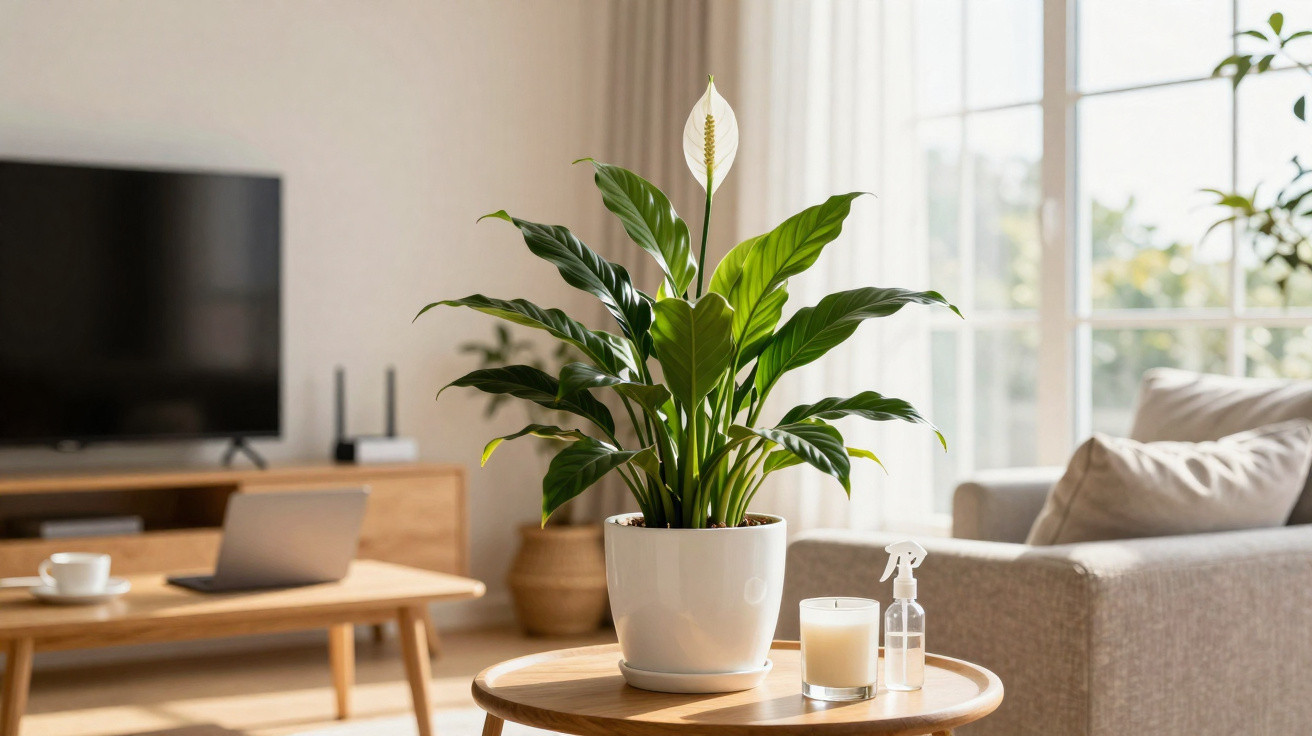
We spend almost our entire lives indoors, where carpets, paint, furnishings and electronic devices quietly release gases into the air. This is where an often-overlooked ally comes in: the houseplant. Chosen carefully and positioned well, it can reduce unpleasant smells, absorb pollutants and even slightly lessen the perceived impact of radiation from devices.
Why air quality can be poor in many homes
Living rooms, offices and bedrooms can contain invisible substances released by building materials, varnishes, adhesives, cleaning products and smoke. These include:
- formaldehyde from chipboard, textiles and paint finishes
- benzene from tobacco smoke and adhesives
- ammonia from harsh cleaning products
- volatile solvents from marker pens and paints
Such substances may cause headaches, irritated eyes, an urge to cough and tiredness. Dry air created by central heating and air conditioning can make these effects worse.
Houseplants do more than enhance a room’s appearance; they act as small biological filters, drawing pollutants from indoor air day after day.
The one plant that can do almost everything
If you want just one plant at home that addresses as many of these issues as possible, many indoor-environment specialists turn to a classic choice: the peace lily (Spathiphyllum). This plant features in almost every study of air-purifying species.
What makes the peace lily so special
The peace lily combines several qualities that make it particularly appealing for a living room or home office:
- it absorbs a range of pollutants from paints, varnishes and furniture through its leaves
- it releases considerable moisture into the air via its leaf surface
- it copes well with low light, making it suitable for corners beside a sofa or desk
- its dense, glossy foliage provides an effective “filter surface”
It can reduce smells from cigarette smoke, stale air and slightly musty rooms over time by taking in the associated substances and processing them through its metabolism. Combined with regular airing, this creates a noticeably fresher-feeling room.
The ideal position in the home
To achieve the greatest effect on smells and radiation, choose its location deliberately. Three areas are particularly useful:
- Living-room focal point: beside the sofa or television, where people spend most of their time.
- Home-office area: between the desk and screen, or positioned slightly to one side of the monitor.
- Hallway or passage: where smells from the kitchen, bathroom and living room converge.
The peace lily is best positioned one to two metres from the television or PC, away from direct heat from a radiator, in bright but not harsh sunlight.
This position allows the plant to buffer both emissions from furniture and electronics and part of the electrical and magnetic exposure produced by devices. It does not fully shield these fields, but can act as a natural “barrier” between people and technology, which many users find subjectively more pleasant.
Other plants that reduce odours and pollutants
For a stronger overall effect, pair the peace lily with other species that are suited to particular substances.
For smoke, carpet adhesive and solvents
In rooms where people used to smoke or which have fitted carpets, these hardy classics are suitable:
- Ivy: absorbs substances associated with tobacco smoke and adhesives
- Snake plant (Sansevieria): tolerant and low-water, filtering benzene and other gases
- Dragon tree (Dracaena): takes in solvents from paints and felt-tip pens
They are best placed where smoke or scented substances collect: near the sofa, close to windows that were formerly used for airing, or in corners with little air movement.
Reducing formaldehyde from furniture and textiles
New kitchens, cupboards and carpets can release small quantities of formaldehyde for months. Helpful options include:
- Kentia palm: its large leaf area makes it ideal for a living room or bedroom
- Weeping fig (Ficus benjamina): a compact tree for bright corners in the living room
If a room has recently been renovated or contains a new cupboard, place one of these plants close to the new item of furniture. Together with frequent cross-ventilation, this can help indoor air quality return to normal more quickly.
Radiation and office exposure: what plants can really do
Computers, routers and screens generate electrical and magnetic fields. Houseplants cannot physically “switch off” these fields, but they can noticeably improve the working environment:
- They capture fine dust and particles that gather around printers and electronic equipment.
- They improve humidity, which can ease discomfort in the mucous membranes.
- They reduce stress levels and support concentration, as several occupational psychology studies show.
A small cactus placed directly beside the monitor and a larger leafy plant behind you create a noticeably more pleasant indoor climate in the home office.
A combination is especially worthwhile in an office: place a cactus or succulent directly on the desk, then position a larger philodendron or devil’s ivy (Pothos) slightly farther away to absorb solvents from markers, toner and varnishes.
Plants with an especially wide range of benefits
Some species are genuine all-rounders that fit into almost any room:
- Schefflera: filters various pollutants and is easy to care for
- Peace lily: absorbs gases, raises humidity and reduces odour issues
Distributing several of these all-rounders across different rooms can improve indoor air evenly, from the kitchen through to the bedroom.
How to care for air-purifying plants properly
For plants to provide these benefits, they need to remain healthy. Three factors matter most:
- Keep leaves clean: regularly wipe off dust using a slightly damp cloth, otherwise the pores can become blocked.
- Water correctly: it is better to water slightly too little than keep the soil permanently wet, as waterlogging quickly causes root rot.
- Consider light: provide bright conditions without direct midday sun, particularly for peace lilies and ficus plants.
If leaves start turning yellow or hanging limp, use less water and check the position. Cold draughts and locations close to radiators are unsuitable.
What plants can do – and what they cannot
Houseplants are not a substitute for an air purifier or for airing your home. They complement both. They can reduce exposure, capture some odours and pollutants, and improve perceived air quality. In heavily contaminated spaces, such as rooms affected by mould or intense smoke exposure, plants alone are not enough.
Even so, many residents notice a clear difference: less dry-eye discomfort, fewer headaches and a more pleasant atmosphere. In everyday life, the combination of one large peace lily in the living room, one or two smaller plants in the work area and a green accent in the hallway can be noticeable.
If you are unsure, begin with this one plant in the living room. Set it in a bright corner slightly away from the television and observe the following weeks: less musty odour, slightly softer air and a small but tangible step towards a healthier home.






Comments
No comments yet. Be the first to comment!
Leave a Comment