
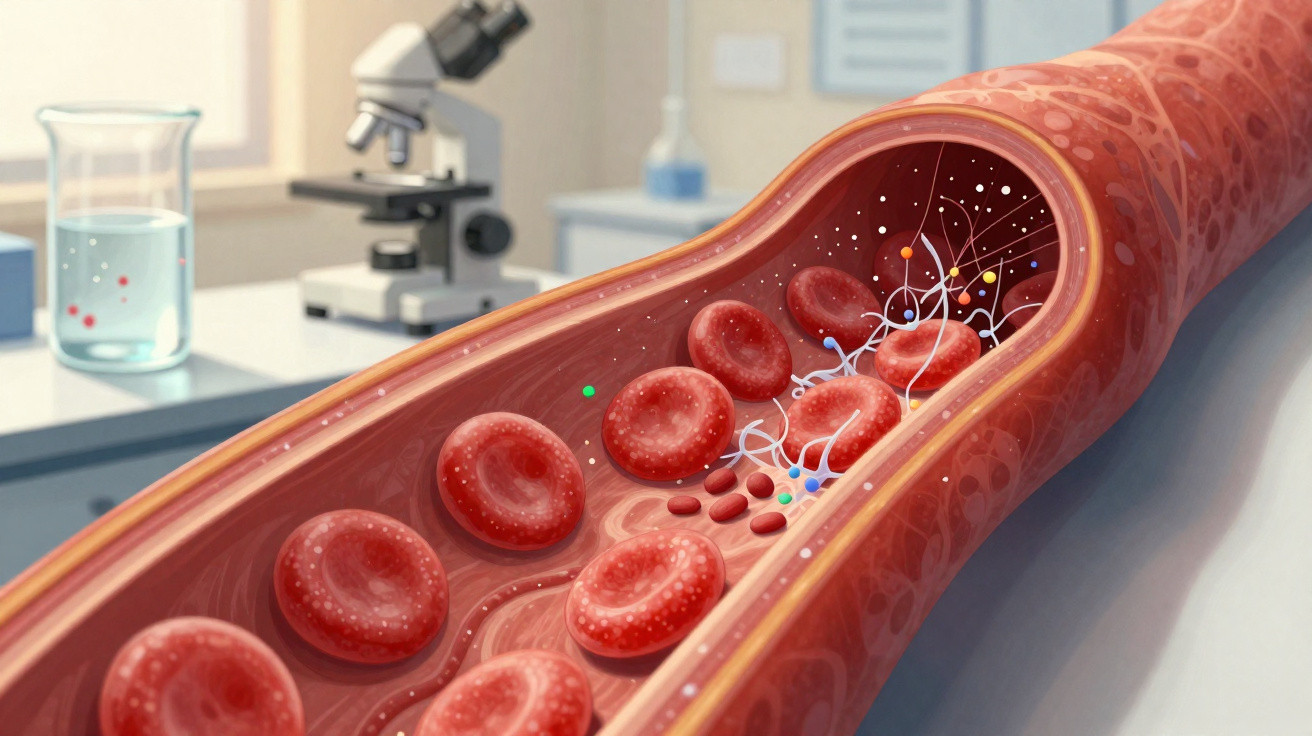
Microplastics - plastic particles measuring under 5 mm - have been detected in several areas of the human body, including bone and brain tissue. The issue is therefore no longer whether they enter our bodies, but how harmful their presence may be.
A research team headed by scientists at Capital Medical University in China reported in the Journal of Hazardous Materials in 2024 that the arteries circulating blood throughout the body are also affected by the gradual accumulation of microplastics in human tissue.
Microplastics detected in human arteries
The researchers analysed 17 arterial specimens obtained during surgery. Microplastics appeared in every sample, at concentrations comparatively higher than those previously recorded for plastics in blood.
This raises significant concerns for human health, particularly because mouse research has already associated microplastics with atherosclerosis. In this condition, fatty deposits known as atheroma build up and narrow the arteries, increasing the likelihood of heart attacks and strokes.
"We found that three types of arterial samples including coronary, carotid, and aortic arteries contained microplastics," write the researchers in their published paper.
Their analysis showed that arteries containing hazardous fatty plaques - the coronary and carotid samples - had roughly double the microplastic levels of arteries without plaques, represented by the aortic samples. This could point to a connection between microplastics and cardiovascular disease.
However, the finding must be interpreted carefully and examined in further studies. Differences between artery types themselves may also have influenced the measured levels of microplastics.
Possible cardiovascular effects of microplastics
Scientists are still investigating how, and to what degree, microplastics may harm the body. Even so, introducing microscopic fragments of synthetic material into biological systems is plainly undesirable.
"Microplastics may cause oxidative stress and cellular damage, interfere with energy and lipid metabolism, and elicit immune-inflammatory responses, according to several lines of evidence from animal studies," write the researchers.
Another unanswered question is how these particles enter the body, although several routes are likely to be involved. Consuming them in food and drink, as well as breathing them in from the air, probably makes a substantial contribution.
From there, the particles may pass into cells or move between them, enter the bloodstream, and ultimately reach the arteries.
Polyethylene terephthalate (PET) was the most common plastic identified in the tissue specimens, making up 73.7 percent of all detected plastic. PET is widely used in water bottles, food packaging and clothing.
"The proportion of microplastics in arterial samples may be related to the frequency of human exposure to these microplastics, which deserves further investigation," write the researchers.
A separate 2024 study, published in The New England Journal of Medicine, produced comparable results. Researchers tracked 257 patients over 34 months and found that nearly 60 percent had measurable polyethylene quantities in arterial plaques.
Unlike the Journal of Hazardous Materials research, that study monitored participants over time. It identified an association between increased microplastic levels and a greater risk of strokes and heart attacks.
Many other influences may be involved, so a direct relationship between artery microplastic and cardiovascular disease cannot yet be confirmed. Nevertheless, the evidence is growing.
As plastics are almost impossible to avoid in the modern world, there is an urgent need to understand both how they enter the body and what effects they have once inside it.
"This study provides valuable data for further hazard assessments of microplastics on human cardiovascular health," write the researchers.
"In future, we need to identify the sources of microplastics in the arteries, explore the distribution pattern of microplastics in the arteries, and most importantly, clarify the effects of these microplastics on human health, especially on arterial diseases."
The research was published in the Journal of Hazardous Materials.
This article was fact-checked and edited by Fiona MacDonald. Although we take pride in our process, we are only human. If you notice an error, please let us know.





Comments
No comments yet. Be the first to comment!
Leave a Comment