

The radiator that stays icy on the first morning of November, the black stain spreading above the bed, the toilet cistern leaking without pause: we all know the moment when a home seems to demand money at exactly the wrong time. Many tenants pay for work that is not their responsibility, either through exhaustion or fear of conflict. Yet a landlord may be required to cover costly repairs, even when the issue initially appears minor. The line between normal wear and tear, ageing, and everyday minor repairs can sometimes seem unclear. It should not be quite so blurred. After all, a bill for several hundred euros can affect the mood of an entire month. A few key actions can make all the difference.
When a property ages, the tenant does not always pay the bill
In an older flat, problems rarely arise alone: a window no longer closes properly, a wall becomes damp, and the heating starts to fail. However, under Article 6 of the Act of 6 July 1989, the landlord must provide a decent home and keep its equipment in working order. This includes major faults resulting from ageing, building defects, or an installation that has become unsafe. The tenant, meanwhile, is responsible for routine upkeep and small repairs. The distinction is straightforward in theory, but far less so in everyday life.
A common example concerns the roof, external walls, or concealed pipework. Where a leak is caused by a crack in the façade, a displaced roof tile, or a faulty waste pipe, the landlord is responsible for the repair. The same applies to mould resulting from inadequate insulation or a malfunctioning shared ventilation system. Léa, a tenant in Lille, believed for a long time that the black marks in her bedroom were caused by her own habits. An expert appointed by the insurer eventually found a leak in the building’s roof. The nearly 2,000-euro cost of the work did not come out of her bank account.
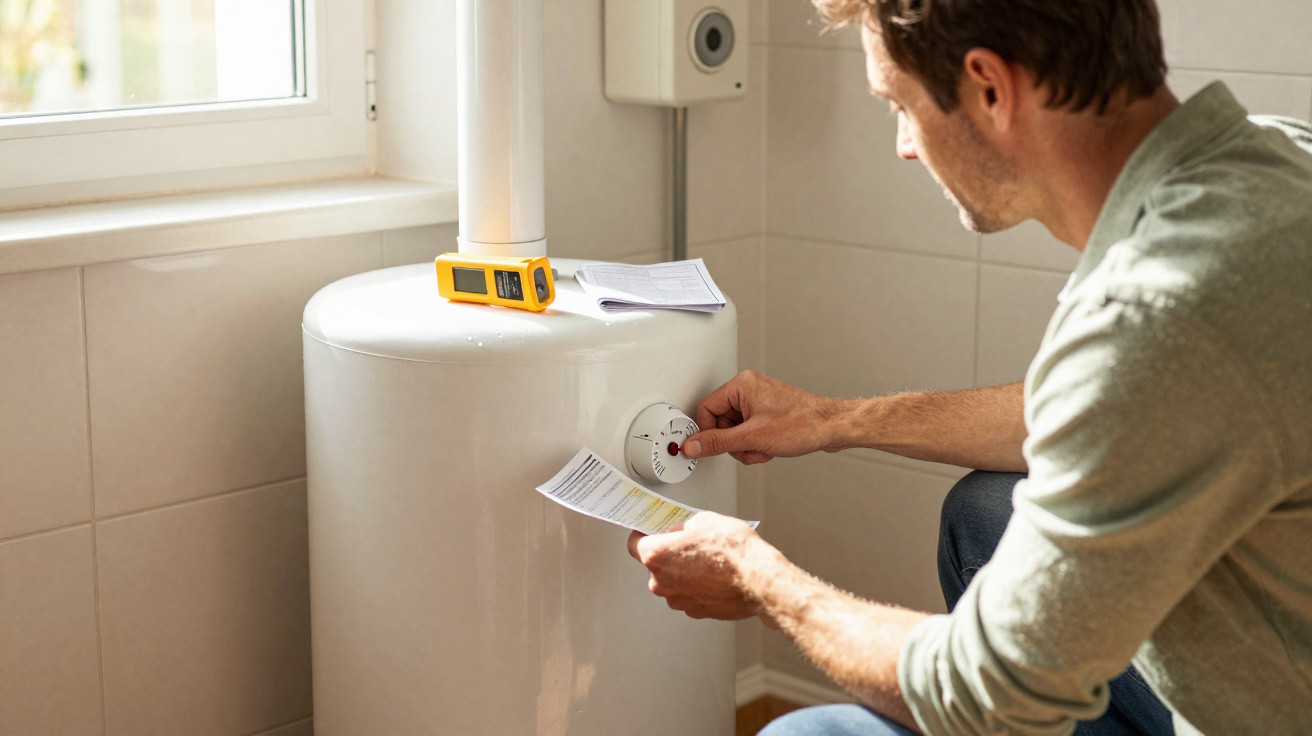
Heating is another frequent source of confusion. A tenant must arrange servicing for an individual boiler where the tenancy agreement requires it, and replace minor items such as a seal or a thermostat battery. However, a boiler that has failed because of its age, a faulty radiator, or a communal system that no longer provides heat are the landlord’s responsibility. Living with 15 degrees in your sitting room is not merely a comfort issue. If the equipment can no longer heat the home properly, the landlord must take action, unless the breakdown clearly results from misuse or a lack of maintenance for which the tenant is responsible.
Seven landlord repairs to identify before using your bank card
The first step is practical: notify the landlord in writing as soon as the issue appears. A dated message with photographs will often prompt a more serious conversation than a hurried phone call. Ask for an assessment if there is any uncertainty over the cause of the fault. The seven repairs most commonly involved concern structural defects and leaks, major pipework, outdated heating, unsafe electrical systems, worn-out windows, ageing sanitary fittings, and pest infestations caused by the condition of the property. Keep every exchange. It prevents selective memories later on.
Electrical faults require immediate attention. An old consumer unit that repeatedly trips, sockets that become hot, exposed wires, or a missing earth connection are not simply inconveniences: the landlord must make the installation safe. The same is true of a bath cracked through age, a hot-water cylinder at the end of its working life, or shutters jammed because their mechanism is worn. Let us be honest: hardly anyone reads the decree on tenants’ repairs line by line every day. Even so, accepting an estimate too quickly can cost several hundred euros.
If a landlord is slow to respond, do not stop paying rent on your own initiative: that mistake can work against you. Instead, send a recorded-delivery letter, then contact the departmental conciliation commission or the ADIL housing advice service in your area if the situation remains at a standstill.
“The tenant must carry out routine maintenance of the home, while the landlord is responsible for repairs made necessary by ageing, a construction defect, or force majeure.”
The situations to monitor particularly closely are:
- leaks coming from the roof, façades, or communal areas;
- leaks in concealed pipework or an ageing installation;
- replacement of a worn boiler, radiator, or water heater;
- safety work on a dangerous electrical installation;
- windows, shutters, or doors damaged through ageing;
- sanitary fittings that can no longer be used through no fault of the tenant;
- insect or rodent treatment required because of a defect in the building.
Asserting tenant rights without turning daily life into a battle
The challenge is not only about the rules; it also comes from the discomfort of having to ask. You may worry about seeming demanding, damaging your relationship with the letting agent, or receiving a curt response. Yet reporting a leak, a smell of gas, or persistent mould is not asking for special treatment. It is a request for a home that remains safe and habitable. A detailed inventory at the start of the tenancy, dated photographs, and maintenance invoices provide discreet but valuable protection. Ageing is not the tenant’s fault.
Before arranging any urgent repair, try to contact the landlord and retain evidence of the steps you have taken. If a genuine danger requires prompt action, it may sometimes be possible to call a plumber without waiting, but supporting documents will be essential when discussing reimbursement. The key question is simple: is it a routine maintenance task, or is the equipment deteriorating because it has reached the end of its life? That distinction changes everything. Sharing your experience with other tenants, seeking advice from ADIL, or reviewing your tenancy agreement can also help dispel a very common feeling: being alone when faced with an expensive breakdown.
| Key point | Detail | Benefit for the reader |
|---|---|---|
| Ageing | Equipment that has reached the end of its working life is generally the landlord’s responsibility. | Avoids paying for an expensive replacement without checking first. |
| Evidence | Dated photographs, emails, and recorded-delivery letters document the situation. | Strengthens a request for repairs or reimbursement. |
| Response | ADIL and the conciliation commission can support the tenant. | Makes it possible to act without withholding rent or worsening the dispute. |





Comments
No comments yet. Be the first to comment!
Leave a Comment