
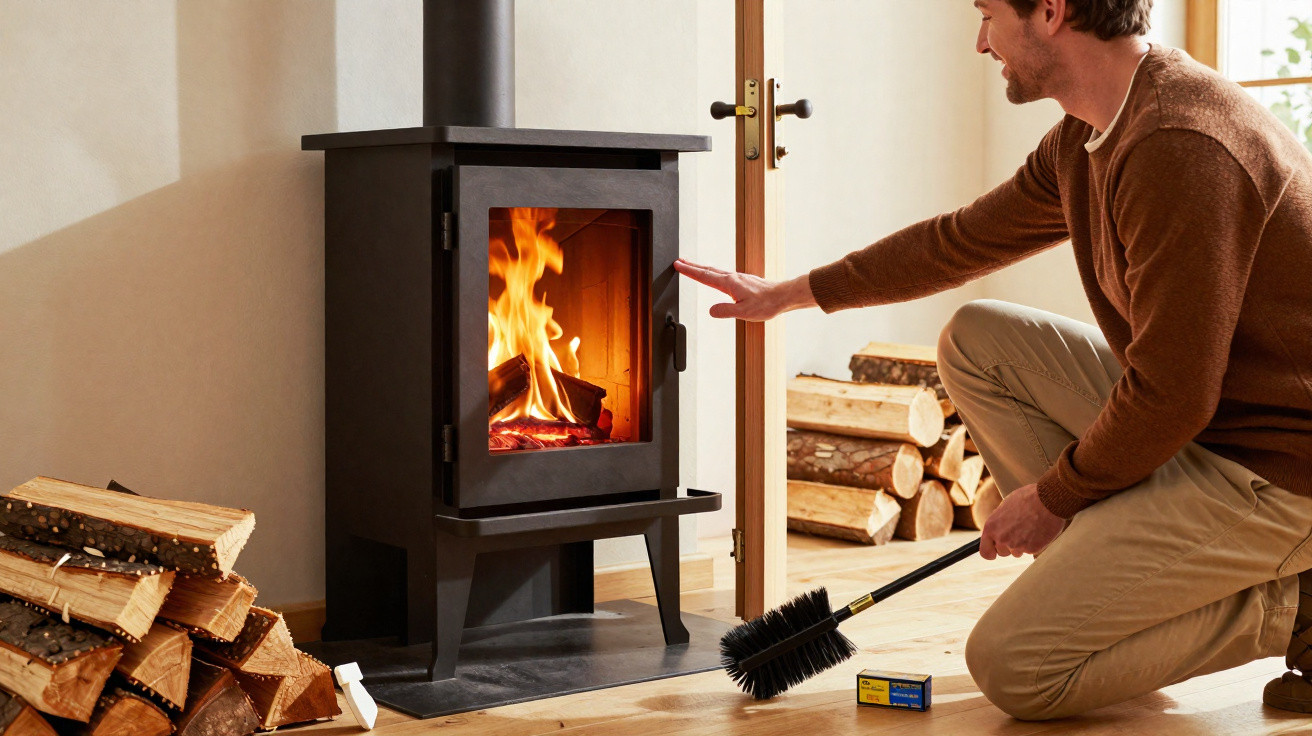
If you heat your home with a fireplace or wood-burning stove, you will recognise the problem: the fire is blazing, yet the room warms up only slowly and the logs seem to disappear by the minute. With energy costs high, it can feel like burning money. However, one straightforward task carried out regularly can noticeably improve heating performance - and, in the best case, almost double it.
The overlooked factor when heating with wood
Many owners of wood-burning stoves assume that heating output depends almost entirely on the quality of the logs or the size of the appliance. In reality, another issue far more often prevents warmth from reaching the living room effectively: the condition of the flue.
“A clean chimney is not a luxury, but a genuine heat booster - and an important safeguard against fire and flue gases.”
Throughout the heating season, soot and combustion residues build up inside the chimney. This narrows the flue passage, makes it harder for exhaust gases to escape and reduces the oxygen available to the stove. As a result, logs burn more sluggishly, more smoke is produced, less usable heat is generated and fuel consumption rises.
By contrast, an unobstructed draught produces strong flames, consistent temperatures and far better use of the energy contained in the wood. Homeowners who arrange regular chimney cleaning - while also carrying out a little maintenance themselves - often notice a clear improvement in the feel of the room within just a few days.
Why a clean chimney saves twice over
Better combustion and more comfortable warmth
The technical link is straightforward: the more easily hot flue gases can rise away, the more effectively the chimney draught works. This suction draws fresh air into the stove, fuelling the fire. When logs burn completely, this delivers:
- more heat from the same amount of wood;
- less smoke and soot;
- steadier, more even temperatures in the living space.
A blocked chimney undermines every one of these benefits. You keep adding logs, the flames look “tired”, and the room simply refuses to become properly warm - all classic indications of insufficient draught.
Greater safety: lower fire and poisoning risks
Safety matters just as much as comfort. Thicker layers of soot can develop deposits of glazed soot, which may ignite at high temperatures. This can cause a dangerous chimney fire. The risk of carbon monoxide entering the home also increases when flue gases cannot escape properly.
“Looking after your chimney does not just make heating cheaper; it also helps you sleep more peacefully.”
Keeping your chimney in top condition
Regulations require the mandatory visit from a chimney sweep - generally at least once a year. There is no way around this. Between those appointments, though, there are several things you can do yourself to maintain the efficiency of your wood-burning stove.
Regular DIY cleaning with a chimney brush
For many homeowners, a chimney brush has become a standard piece of equipment. This rigid or flexible brush system can dislodge deposits inside the flue and move them downwards, ready to be removed and disposed of.
- During the heating season, a cleaning interval of around three months is ideal.
- Allow the stove to cool completely and close all vents before starting work.
- Afterwards, remove all ash and loosened debris thoroughly.
If you are unsure, ask a professional to demonstrate the process. Many chimney sweeps are happy to explain it at their next visit.
Loosening tar deposits with chimney-cleaning logs
Special cleaning briquettes and logs are available from retailers. They are burned in the same way as ordinary firewood. The active substances released can loosen some of the deposits in the flue, making them easier to remove later with a brush. They do not replace a chimney sweep, but they can extend the intervals between professional cleanings.
Wood quality: half the battle for a clean chimney draught
Wet or poorly stored logs are among the most common causes of blocked flues. They produce heavy smoke, burn badly and leave substantial deposits in the chimney. Better options include:
- well-seasoned hardwoods such as beech or oak;
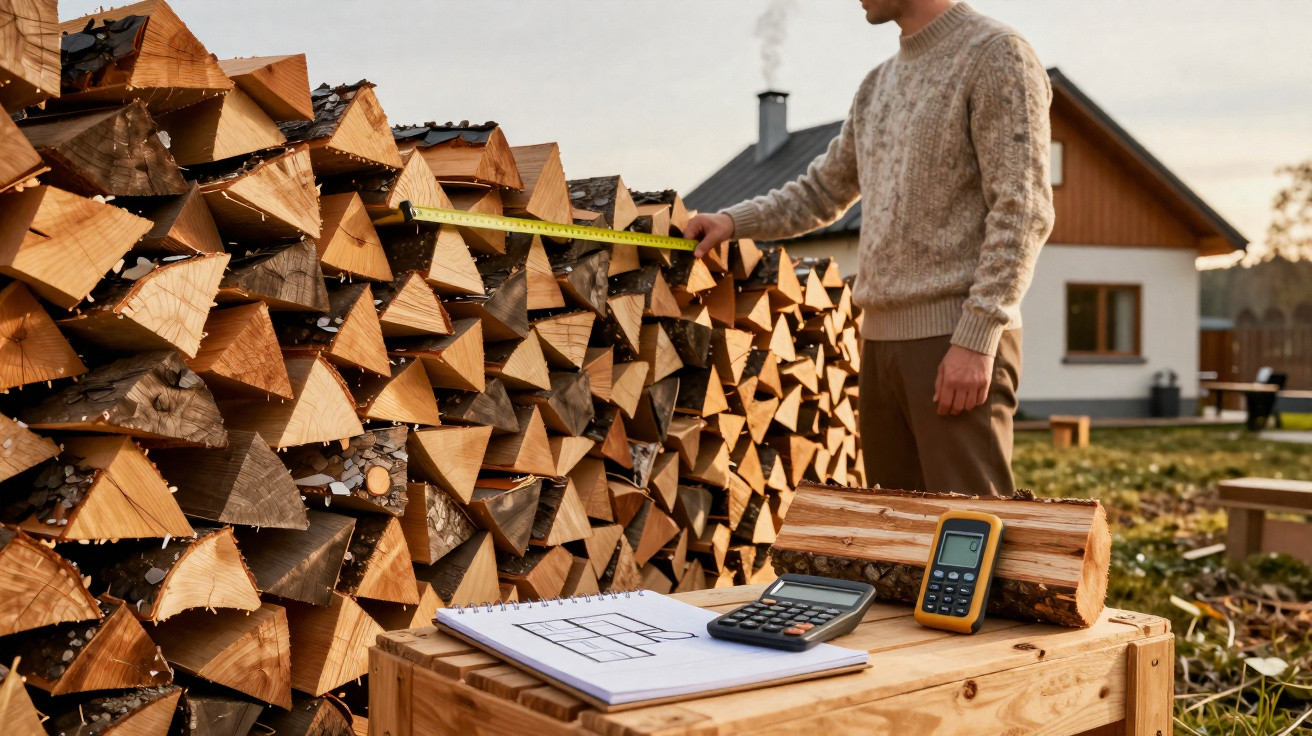
- a moisture content of no more than 20 per cent (a moisture meter is inexpensive and worthwhile);
- split logs that have been stored in an airy, rain-protected place for at least two summers.
“Dry logs not only provide more energy; they also keep both the chimney and the stove glass much cleaner.”
Warning signs that your chimney is struggling
A quick visual check and brief smell test can often reveal that something is wrong. Signs that require attention include:
- a strong soot smell in the room, especially while the stove is in use;
- smoke pushing back into the home when lighting the fire;
- a noticeably longer warm-up time than in previous years;
- clearly higher wood consumption for the same room temperature;
- dark, greasy deposits on the stove pipe or chimney cleaning hatch.
If you notice these warning signs, contact a chimney sweep promptly. Trying to solve the issue yourself with substances such as petrol or methylated spirits is extremely dangerous and must never be done.
Managing combustion correctly: operate your wood-burning stove like a professional
Even the cleanest chimney is of limited use if the fire is managed incorrectly. A few simple principles can help you get substantially more warmth from every load of logs.
Start gradually rather than at “full power”
Begin with a small kindling fire, using thin pieces of wood and a good supply of air. Filling the stove immediately deprives the fire of oxygen, creates more smoke and causes the chimney to soot up faster.
Adjust the air supply sensibly
Most stoves have controls for primary and secondary air. The following table provides a broad guide:
| Phase | Air supply | Aim |
|---|---|---|
| Lighting | wide open | rapid build-up of hot flames |
| High-output phase | medium to slightly closed | calm, bright flame and plenty of heat |
| Ember phase | reduced further | maintain embers and save wood |
Reducing the air supply too early risks smouldering logs and increased soot production. A lively, fairly bright yellow flame is a good sign of clean combustion.
Never load too much wood at once
Although a packed firebox may look inviting, it often reduces efficiency. Too many logs compete for air, heat is distributed less effectively and combustion slows down. It is better to add smaller amounts regularly.
How worthwhile the effort can be financially
Maintaining your chimney and optimising combustion brings several benefits at once:
- noticeably higher efficiency - the room warms up faster;
- less wood needed over each heating season;
- considerably lower fine-particle and smoke pollution;
- a longer service life for the stove and flue pipes.
This reduction in wood use can be considerable, particularly where the stove is used heavily on cold winter days. Anyone who has previously kept adding logs without thinking will often have a small revelation when, after cleaning, the stove suddenly produces much stronger heat from the same quantity of wood.
Extra practical tips for everyday wood-burning stove use
Many difficulties are caused by routine habits: using damp logs from the garden, cleaning too infrequently or leaving the air controls half closed all the time. Changing a few routines can quickly bring your stove back to its best.
- Put a fixed “chimney check day” in your calendar, for example at the start of the heating season.
- Store logs with good airflow, raised off the ground and protected from rain - use a cover only as a roof, rather than wrapping them tightly.
- Check the seals around the stove door and ash compartment regularly.
- Keep a rough record of monthly wood consumption so that changes are spotted sooner.
Those who treat their wood-burning stove as a small heating system rather than simply a romantic fire bowl will get far more from it. Particularly in older homes, a well-adjusted stove that is kept clean can offset a substantial share of heating costs.
Ultimately, success depends less on costly upgrades than on consistent maintenance and a little attention. A clean chimney, dry logs and correctly adjusted air supply are often all that is needed to turn a tired fireplace into a powerful source of warmth.





Comments
No comments yet. Be the first to comment!
Leave a Comment