

If you have ever looked at yourself through a thermal imaging camera, you will have seen how much heat your body emits. That heat is actually a by-product of metabolism. Each square foot of the human body releases heat equal to roughly 19 matches every hour.
Sadly, a large proportion of that heat is lost to the atmosphere. What if it could be captured and used to generate energy instead? My research indicates that it can. Together with my colleagues, I am exploring environmentally friendly materials that can collect and store body heat for power generation.
The aim is to develop a device that generates and stores energy at once, effectively functioning as an integrated power bank for wearable technology. By using body heat, it could enable smart watches, fitness trackers and GPS trackers to operate far longer - or potentially indefinitely.
Waste heat does not come only from people. In today’s highly technological society, considerable amounts are produced every day, from vehicle engines to the machinery used to make products.
In most cases, that heat is likewise discharged into the atmosphere, wasting a valuable opportunity to recover energy. The developing idea of “waste heat recovery” is intended to tackle this inefficiency. Using energy that would otherwise be lost can help industries operate more efficiently while supporting a more sustainable environment.
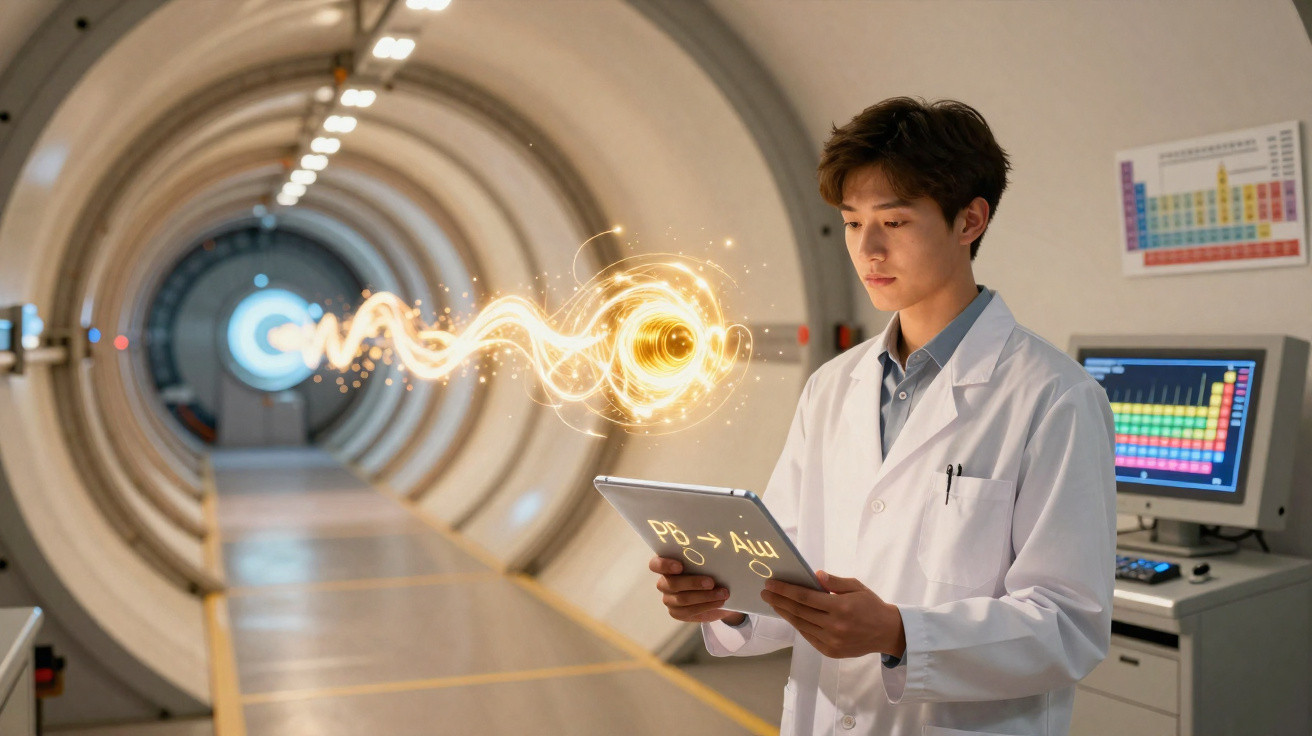
The thermoelectric effect is one way to convert heat into electricity. A difference in temperature creates an electrical potential as electrons move from the warmer side towards the cooler side, producing electrical energy that can be used.
Traditional thermoelectric materials, though, are commonly produced with cadmium, lead or mercury. Their environmental and health hazards restrict how widely they can be used.
The power of wood
Our work has found that wood can also be used to make thermoelectric materials, providing a safer and more sustainable option.
For centuries, wood has played a central role in human civilisations as both a fuel and a construction material. We are now investigating how materials derived from wood can transform waste heat - frequently lost during industrial activity - into useful electricity.
As well as improving energy efficiency, this method changes how we think about familiar materials, positioning them as important elements of sustainable energy solutions.
At the University of Limerick, our team has worked with the University of Valencia to create a sustainable way of converting waste heat into electricity using Irish wood products. In particular, the process uses lignin, a by-product of the paper industry.
Our research demonstrates that lignin-based membranes, after being immersed in a salt solution, can effectively convert low-temperature waste heat - below 200°C - into electricity. A temperature difference across the lignin membrane sets ions, or charged atoms, in the salt solution in motion.
Positive ions travel towards the cooler side, whereas negative ions move to the warmer side. This division of electrical charge generates an electric potential difference across the membrane, which can then be used as electrical energy.
About 66 percent of industrial waste heat is within this temperature range, so the innovation could provide a substantial opportunity for environmentally friendly energy solutions.
The technology could have an important impact across numerous sectors. Manufacturing and other industries that create large volumes of surplus heat could gain significantly by converting this waste heat into electricity. In turn, they could reduce energy use and their environmental impact.
It could also be used in a range of environments, from supplying electricity in remote locations to powering sensors and devices in everyday settings. Its environmentally friendly qualities make it a potentially valuable route to sustainable energy generation for buildings and infrastructure.
The trouble with energy storage
Collecting energy from waste heat is only the initial stage; efficient storage is just as important. Supercapacitors are energy-storage devices that can charge and discharge electricity quickly. This makes them vital where power must be supplied rapidly.
Yet their dependence on carbon materials derived from fossil fuels creates sustainability issues, underlining the need to use renewable alternatives in their manufacture.
Our research group has found that porous carbon made from lignin can be used as an electrode in supercapacitors to store energy harvested from waste heat by a lignin membrane.
In this system, the lignin membrane captures waste heat and changes it into electrical energy, while the porous carbon structure enables ions to move and be stored quickly. By offering a green alternative that avoids harmful chemicals and dependence on fossil fuels, the method provides a sustainable means of storing energy recovered from waste heat.
This advance in energy-storage technology could provide power for products ranging from consumer electronics and wearable technology to electric vehicles.
Muhammad Muddasar, PhD candidate, School of Engineering, University of Limerick
This article is republished from The Conversation under a Creative Commons license. Read the original article.




Comments
No comments yet. Be the first to comment!
Leave a Comment