
You tend to notice only when something seems… wrong. The living-room air feels slightly more stale, dust appears to settle more quickly, and the energy bill gradually rises. You crack open a window, blame the weather or burn a candle. You try almost anything except looking at the real cause, which is sitting in full view.
A few metres from the sofa, a quiet unit hums as it draws in air all day. Its filter is gradually blocking up, collecting the traces of everyday life layer by layer: pet hair, cooking vapours, pollen and urban pollution. It gathers everything without a sound.
Most people hardly give it a thought.
Until they touch the plastic grille one day and find that it is warm.
The invisible filter you walk past every day
We regularly think about vacuum, car and coffee filters. Yet the filter most often overlooked sits inside the HVAC system or wall-mounted AC unit, where it cleans the air you breathe throughout the day.
That slim mesh panel or pleated fabric filter needs cleaning or replacing every 30 days. Not “whenever you remember.” Not “when it looks bad.” Every month.
In many homes, this is the neglected filter, despite working harder than almost anything in the kitchen.
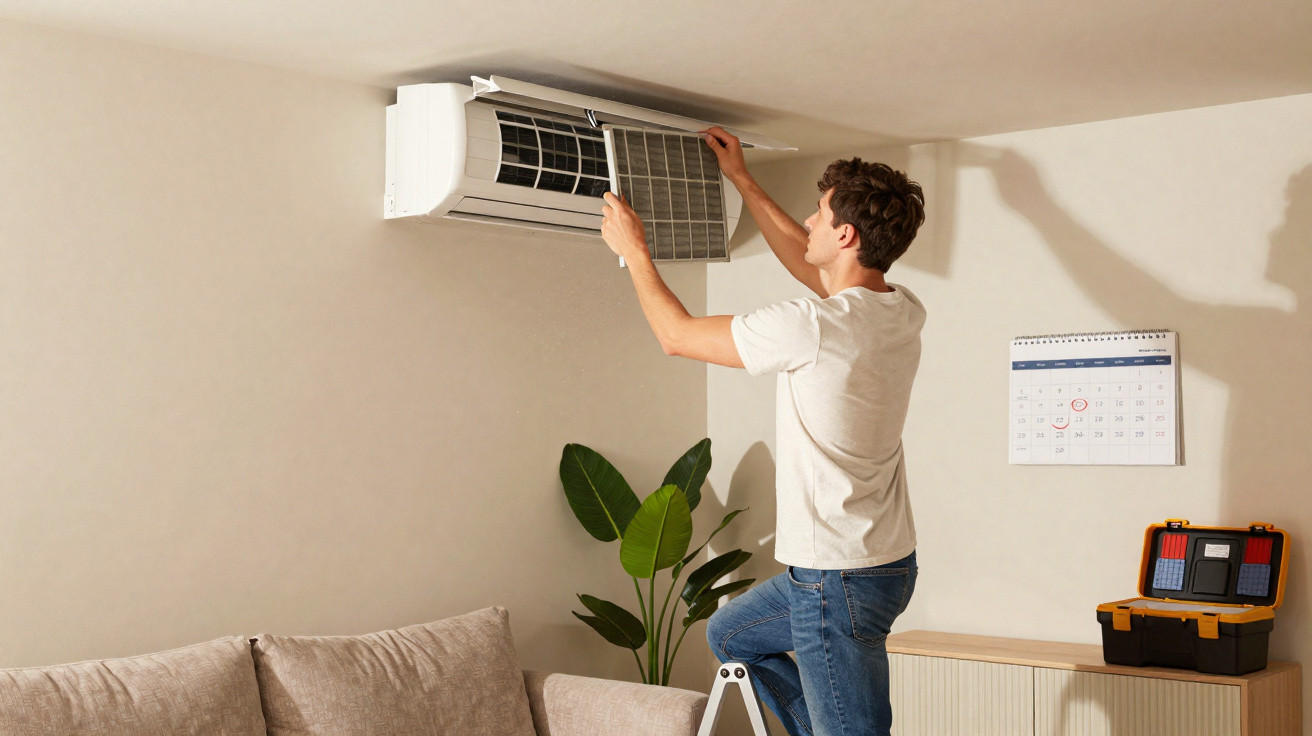
Imagine it is August. You are working from home and the AC has been running since breakfast. Despite the unit operating at full power, the air still feels heavy. You fetch a chair, open the front panel and remove the filter.
It is more than dusty: it is grey, clogged and faintly sticky. When you tap it over the bath, a delicate cloud of dust drops out like a miniature sandstorm. That is what has been passing through your lungs all month.
Many utility and energy companies discreetly acknowledge that blocked filters can increase energy consumption by 5–15%. Every day, that means money is effectively escaping through the vents.
With a dirty filter, the system must pull air through a dense layer of debris. The fan has to work harder, the motor runs hotter, the coils cannot cool effectively, and the room needs more time to reach the chosen temperature.
The air-quality effect is even more straightforward. A clean filter traps particles. A dirty filter turns into a shelf for dust, then a launching point. Whenever the fan starts, it may send part of that build-up back into the air.
The simple reality is this: your air system is only as clean as the last time you handled that filter.
How to clean an AC or HVAC filter properly in 10 calm minutes
First, switch the unit off. This is not only for safety; it also means you will not be working against the fan. Next, open the front panel or remove the vent cover. Most modern wall-mounted units and central-air returns use clips or a hinged grille that can be gently pulled down with your fingers.
Ease the filter out slowly and keep it level, so dust does not spill across the floor. Pause to inspect it properly: its colour, texture and smell. This brief check will show whether it needs a straightforward clean or whether a complete replacement is overdue.
For a reusable mesh filter, use the bath or shower. Gently tap away loose dust, then rinse it under lukewarm water from the clean side outwards. This pushes the dirt out instead of forcing it further in. If cooking or smoke has left a greasy residue, a small amount of mild soap on a soft sponge will do the job.
Keep rinsing until the water runs clear. Leave the filter to air-dry completely, standing upright, before refitting it. A damp filter is an invitation for mould. Disposable pleated filters should not be washed. Simply replace them with one in the same size and rating, then dispose of the old filter. Straightforward, unexciting and ideal.
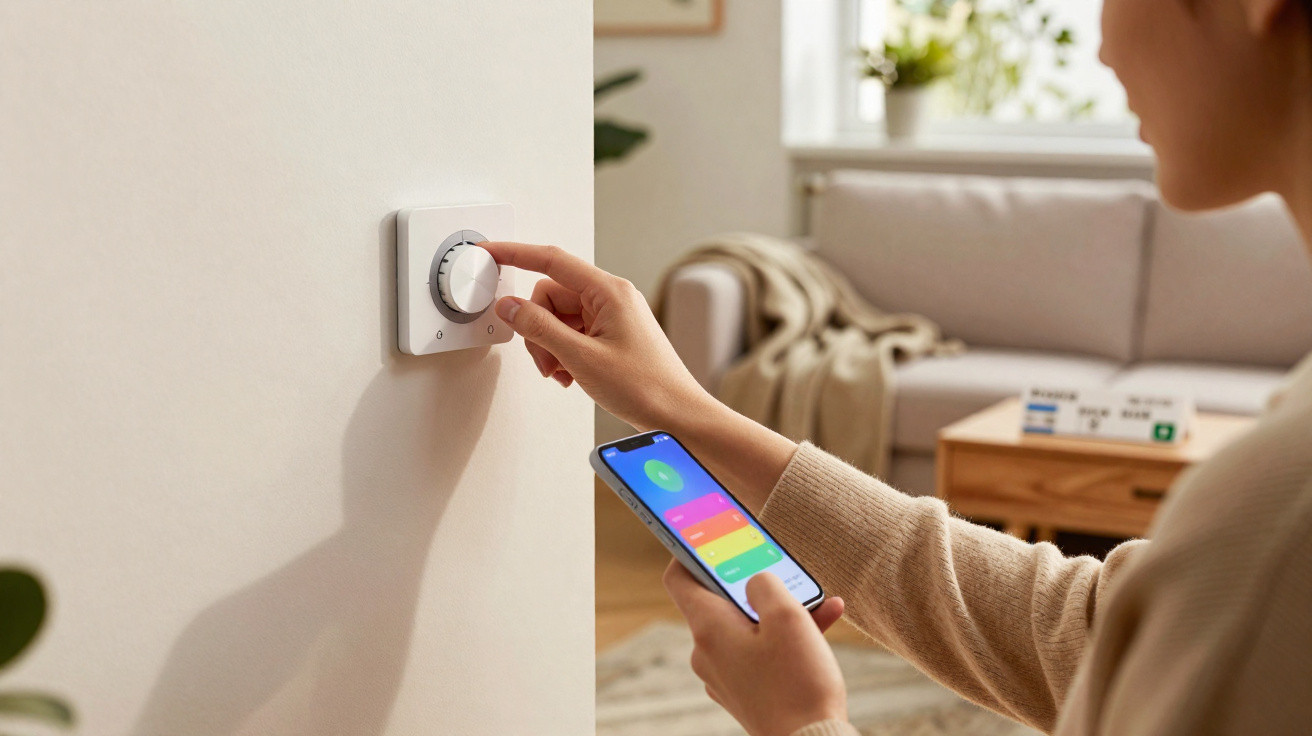
What many people miss is establishing a small ritual. Set a repeating phone reminder for the same date every month: rent day, payday or the first Sunday. Connect it with something you already do.
“Whenever I change the calendar on the fridge, I clean the AC filter. If I don’t tie them together, I just forget,” confessed Marie, a 34‑year‑old renter who used to get headaches every summer.
- Inspect the filter monthly, even when it “looks fine”
- Clean reusable filters with lukewarm water, never boiling hot water
- Allow them to dry fully before reinstalling them
- Save the filter size on your phone to make reordering easier
- Change disposable filters every 30–60 days during heavy-use seasons
Why this small habit quietly changes the whole house
Nobody tells their friends, “I cleaned my AC filter today.” It does not create the immediate impact of painting a wall or purchasing a new lamp. The difference is understated: you notice it through how the home feels rather than how it looks.
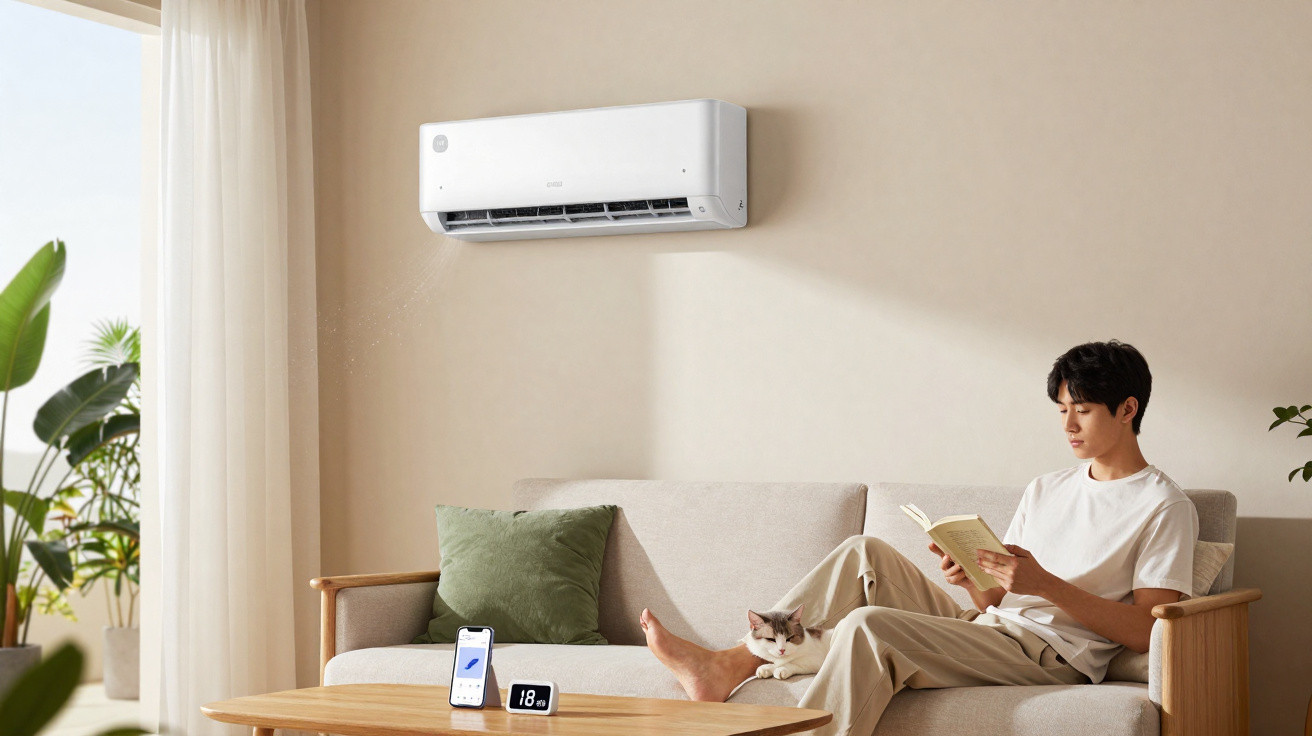
The bedroom cools more quickly at night. The fan seems quieter. Dust on the shelves may return a little more slowly. If you have allergies, mornings could feel less hazy. It is the sort of improvement that becomes apparent only when you stop rushing for a moment.
| Key point | Detail | Value for the reader |
|---|---|---|
| Clean every 30 days | A monthly check stops heavy build-up and reduces strain on the system | Helps keep bills lower and air fresher with little effort |
| Know your filter type | Reusable mesh = wash and dry, pleated paper = replace | Prevents damage and saves money by handling each filter correctly |
| Link it to a routine | Connect cleaning with a fixed date or monthly habit | Turns this “boring” job into an automatic task rather than a guilt-driven one |
FAQ:
- Question 1 What happens if I don’t clean my AC or HVAC filter every 30 days?
- Question 2 How do I know if my filter is reusable or disposable?
- Question 3 Can a dirty filter really affect my health?
- Question 4 Is vacuuming the filter enough instead of washing or replacing it?
- Question 5 What if I live in a small flat and barely use my AC?



Comments
No comments yet. Be the first to comment!
Leave a Comment