
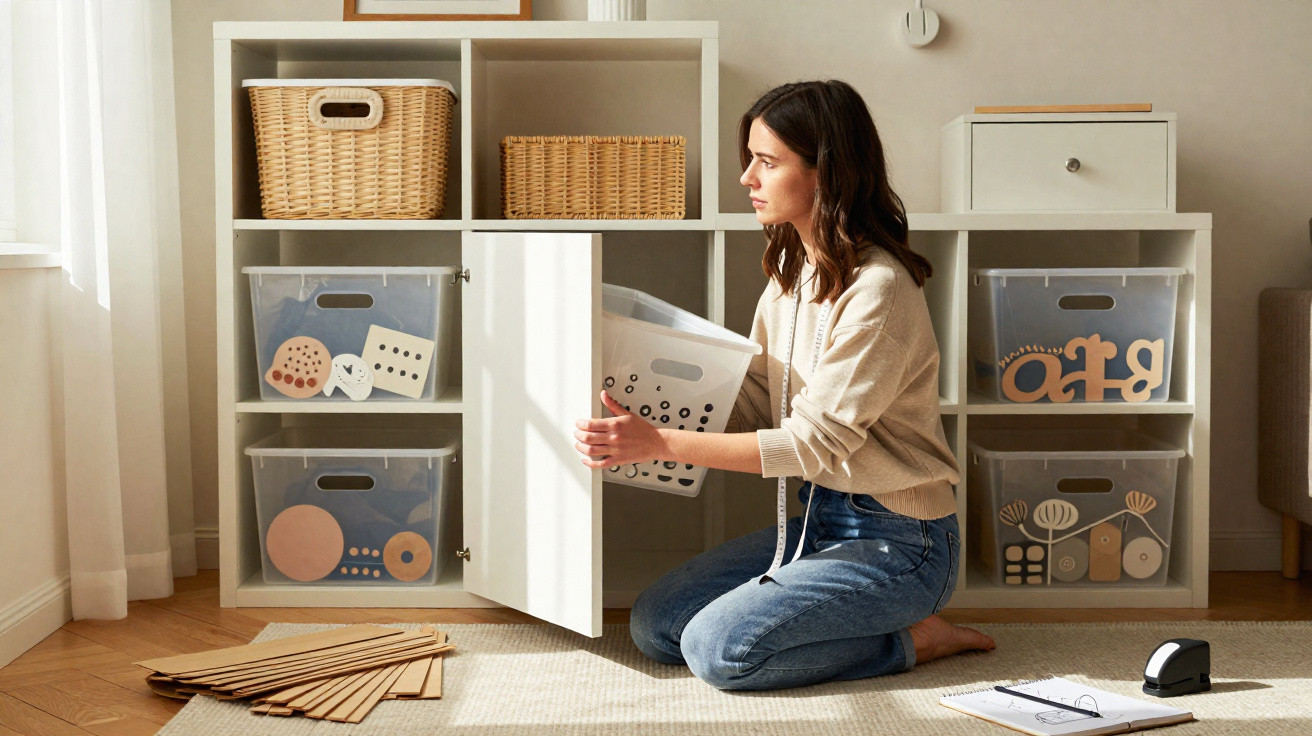
Buying boxes, baskets and dividers can seem like a quick way to get the home in order. The issue arises when an organiser is larger than the space requires or simply adds another container to an area already crowded with belongings. In that situation, the accessory may make everything look tidy while actually cutting down the usable space.
How can an organiser take up more space?
Every basket, box or divider has its own structure. As well as the room taken up by the items themselves, the organiser's volume must also be accounted for. When several containers sit side by side, part of a cupboard's capacity is used by the accessories.
This is particularly noticeable in small drawers and shelves with uneven dimensions. A box that is too tall, for instance, can prevent the available height from being used properly or make it harder to reach items stored behind it.
Why can buying boxes before measuring cause problems?
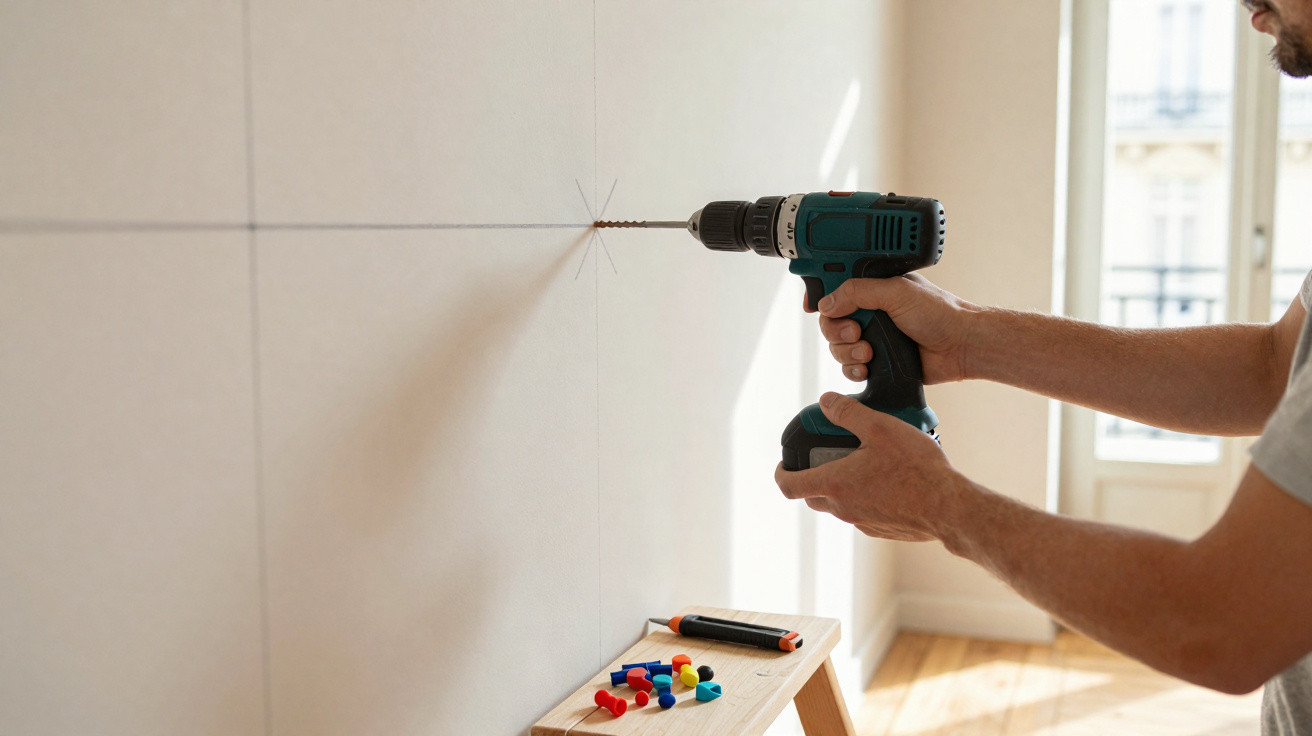
One of the most frequent mistakes is selecting the organiser first and trying to make it fit afterwards. Without measuring the width, depth and height of the space, it is easy to buy pieces that do not fit properly.
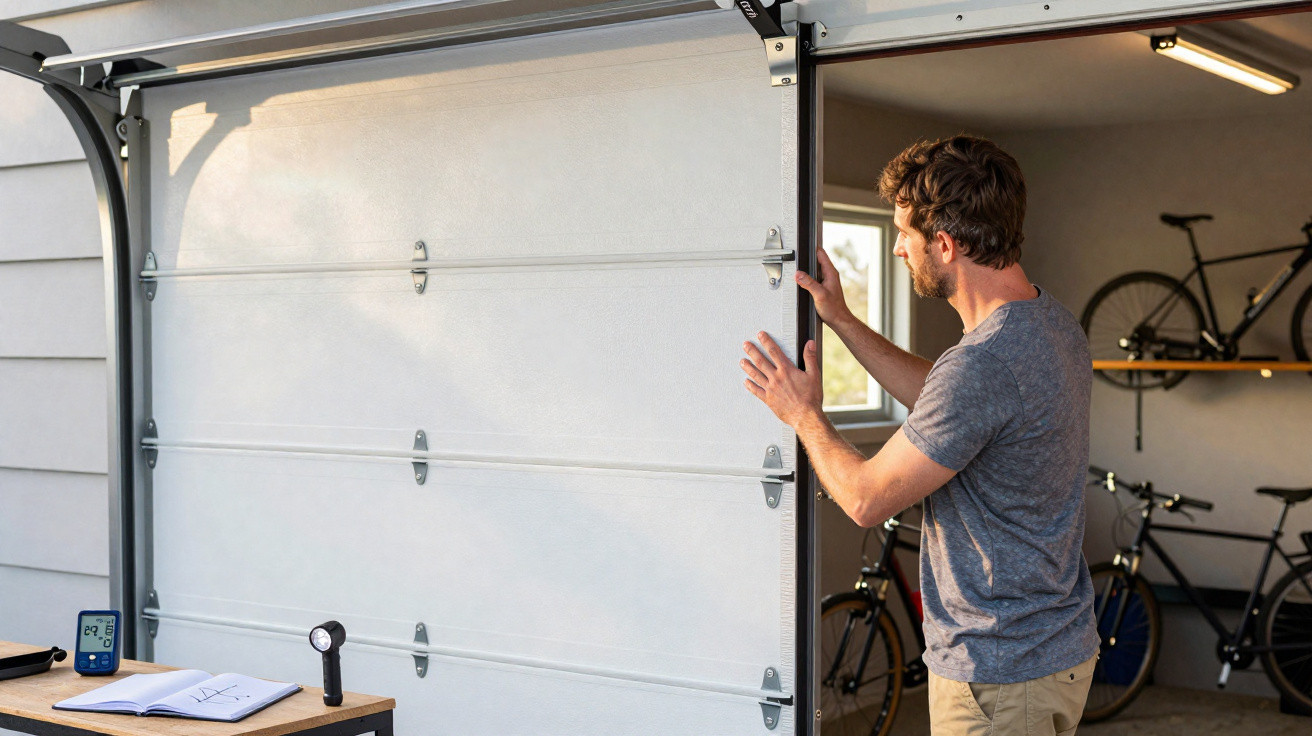
It is also essential to account for doors, hinges, drawers and opening clearance. A container may fit on the shelf but stop the door from closing or make it difficult to remove other belongings.
When can dividers get in the way?
Dividers are helpful when they separate categories of items, but they are not always needed. If there are only a few pieces, or the items have very different shapes, the accessory can create compartments that go unused.
For some drawers, a simpler approach works better: remove excess items, group similar belongings together and make use of the existing space before introducing new structures.
How do you choose an organiser that genuinely helps?
Before buying, it is worth measuring the area and considering what will be stored, how much there is and how often it is used. An organiser should make items easier to access, rather than merely hide them.
It can also be useful to test how many containers are actually needed. Rather than purchasing a whole set, starting with one or two pieces can show whether that system genuinely suits the routine.
Ultimately, the best organisation is not necessarily the one with the most boxes. It is the one that lets you find, store and remove items without creating further obstacles. For this reason, some organisers that take up space can end up producing precisely the opposite effect to the one intended.




Comments
No comments yet. Be the first to comment!
Leave a Comment