
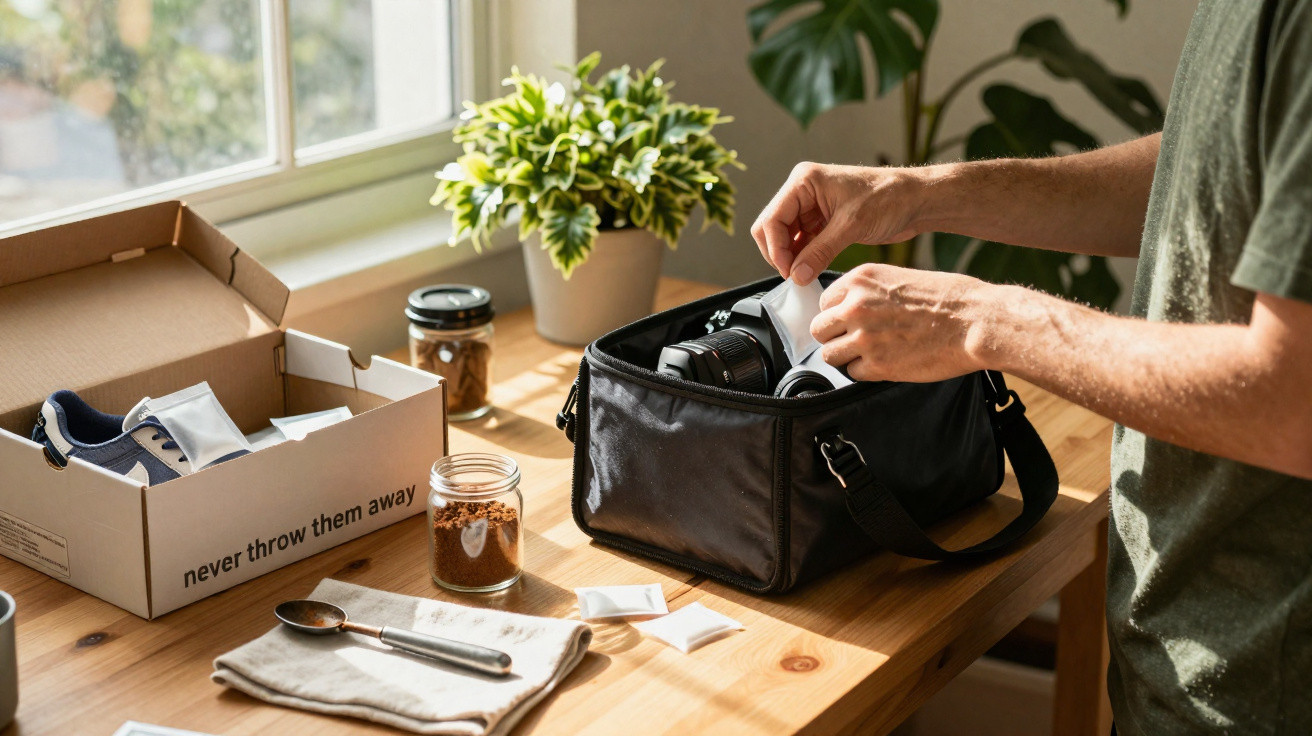
Those small white sachets labelled “Silica Gel” are usually thrown straight in the bin when shoes, electronics or powdered foods are unpacked. Yet they contain a desiccant that can solve a surprising number of household problems, from fogged-up cameras to damp sports shoes. Saving and using the packets properly can save money and hassle – and may even rescue a wet device.
What is actually inside the white sachets?
The packets contain silica gel, a porous granulate made from silicon dioxide. It attracts water and traps it within its tiny pores. That is precisely why it appears wherever moisture could cause damage: in shoe boxes, with electronic equipment, dietary supplements, powdered drinks and toolboxes.
Silica gel absorbs water from the surrounding air, helping to protect delicate products from rust, mould and distortion.
While the sachets themselves appear harmless, they often carry warnings such as “Do not eat”. This is not because the contents are highly toxic, but because they are not intended for consumption and some types may contain small additives. They should therefore be kept out of the reach of children and pets.
When electronics get wet: how silica gel sachets can help save them
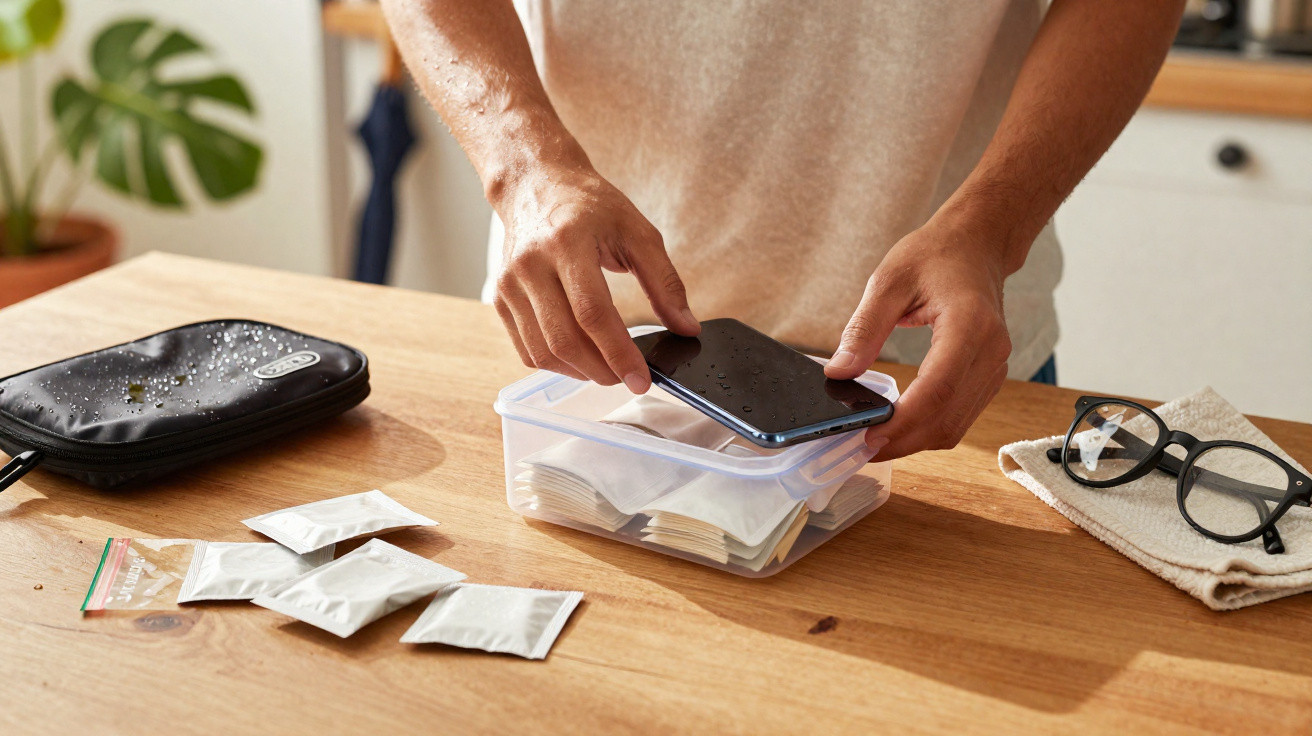
A brief rain shower, condensation inside a backpack or a leaking drinks bottle can suddenly cause a camera or headphone charging case to malfunction. This is exactly when saved silica gel sachets can prove useful.
Step-by-step guide for moisture damage
If a device is damp but has not been completely submerged, proceed as follows:
- Switch the device off immediately and disconnect it from the power supply.
- Remove the case, memory cards, battery-compartment covers and detachable parts.
- Gently dab it dry with a soft cloth; do not rub it.
- Gather several silica gel sachets – the more, the better.
- Put everything into an airtight bag or container.
- Seal the container securely and leave it untouched for 24 to 48 hours.
Suitable items include:
- Digital cameras and lenses
- Smartphones with light moisture exposure, rather than after full immersion
- Bluetooth earphones and charging cases
- Power banks and external hard drives
- Remote controls and handheld consoles
Crucially, do not switch the device back on until it feels dry and at least a day has passed. Testing it too soon can cause a short circuit.
Everyday protection for cameras, consoles and more
The sachets are not only useful in an emergency. They can also work preventatively where electronic equipment is regularly exposed to temperature changes or high humidity.
Useful places to use silica gel around the home
Here are a few places where keeping one or two sachets permanently can make sense:
- Camera bag: Placed between lenses and the camera, they help keep condensation under control.
- Handheld console case: In cases for a Nintendo Switch or similar devices, they help protect circuit boards and contacts.
- Laptop bag or backpack: Particularly useful during winter when moving from outdoors into heated rooms.
- Battery drawer: Storing rechargeable and single-use batteries in dry conditions extends their shelf life.
- Boxes containing cables and hard drives: Adding a sachet can reduce corrosion on connectors.
This lowers the chance of devices becoming troublesome with error messages or intermittent connections at the worst possible time.
More than electronics: everyday problems silica gel can solve
Silica gel is useful beyond electronic equipment. Whenever moisture is a nuisance, it is worth considering the sachets you have collected.
For musty shoes and sports bags
Trainers, football boots and running shoes often struggle to dry fully, especially during winter. Putting two or three sachets into each shoe overnight absorbs some of the remaining moisture. This supports drying and reduces odours, although it does not replace thorough airing.
A sachet can also help prevent damp air and unpleasant smells in a sports bag, particularly in a separate compartment used for clothing.
Preventing powders, spices and coffee from clumping
Many manufacturers already include silica gel with food powders, including instant drinks, dietary supplements and dry pet food. Leaving these sachets in the tub consistently helps keep the product free-flowing for longer.
A sachet can help prevent clumps in sealed containers holding, for example:
- Cocoa and coffee-substitute powders
- Protein shakes and dietary supplement powders
- Dry pet food
Important: never open the sachets or place them directly against food. Leave them inside their original packet within the container so that direct contact is avoided.
Helping to prevent rust and tarnishing
Metal also benefits from dry air. Silica gel can be used as a preventative measure when storing tools, razor blades or jewellery:
- In toolboxes and drill cases, a sachet helps guard against surface rust.
- In jewellery boxes, it reduces the risk of silver tarnishing.
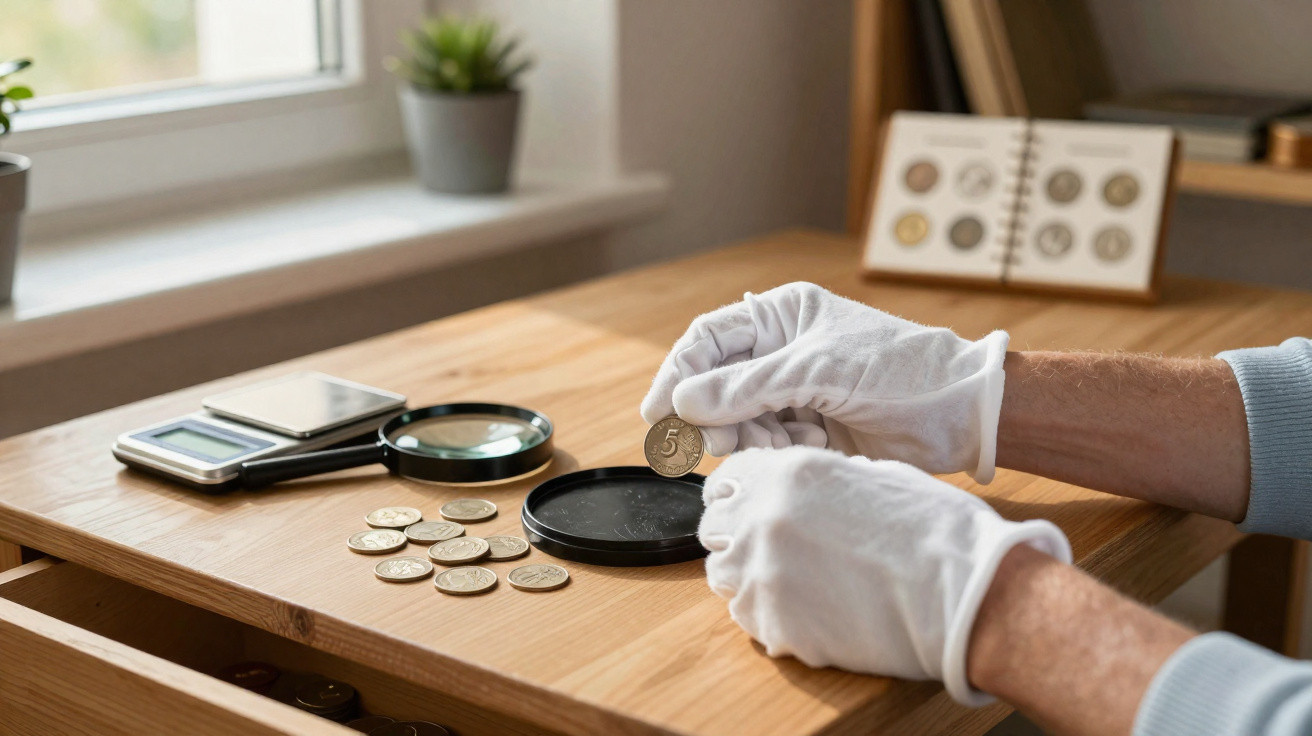
- In boxes containing coins or trading cards, it helps cardboard remain more stable.
This is especially worthwhile in cellars or older buildings, where the air is often more humid.
How to refresh used silica gel sachets
Silica gel can absorb only a limited amount of water. Eventually, its pores become full and the sachet looks duller and works less effectively. That does not mean it has to be discarded.
Silica gel can be dried with heat and then used again.
If you have collected several damp sachets, you can refresh them as follows:
- Preheat the oven to around 120°C using conventional top and bottom heat.
- Place the sachets on a baking tray, leaving as much space between them as possible.
- Dry them for around one hour, turning them once halfway through.
- Let them cool completely, then store them in an airtight container, such as a screw-top jar.
The sachets can therefore be reused several times, reducing waste and saving money because there is no need to buy new desiccants.
How safe are silica gel sachets really?
Silica gel itself is considered relatively chemically inert. The main risk arises when children or animals put the sachets in their mouths or bite them open. The granules may be swallowed and, in the worst case, can lead to blockages. Some varieties also contain colour indicators that show the moisture level. These additives can be irritating.
The sachets should therefore:
- never be left lying around when young children are in the household,
- not end up near dogs’ or cats’ food bowls,
- not be opened or transferred into another container.
For adults who handle them responsibly, they are easy to manage in everyday use. For extra peace of mind, collect them in one designated place, such as a labelled container in a cupboard.
Why collecting silica gel sachets pays off over time
Anyone who stops throwing the sachets away will notice after a few weeks how quickly a small storage jar fills up. That reserve makes all the difference: rather than frantically searching for improvised solutions in an emergency, the right desiccant is already on hand.
Compared with improvised methods such as rice, silica gel works much more efficiently and cleanly. The granules do not create dust, take up less space and can be positioned exactly where needed – in a camera case or among a bundle of cables, for example. Combined with careful airing of rooms, sensible storage and a little routine, this creates a straightforward system for tackling everyday moisture.
Anyone who takes a more considered approach to electronics, shoes and delicate belongings will soon realise that these unassuming white sachets no longer belong in the bin, but in the category of “practical emergency tools for the home”.


Comments
No comments yet. Be the first to comment!
Leave a Comment