
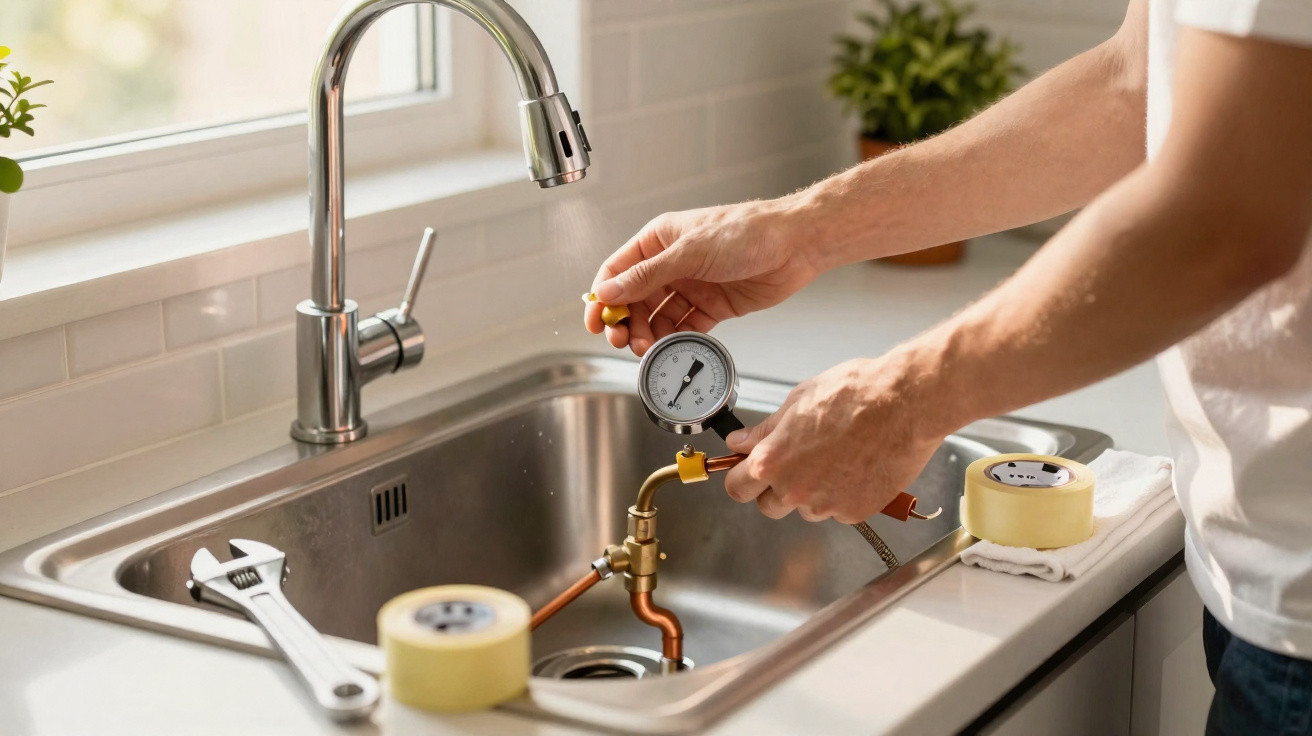
Turning on the sink tap and noticing strong shaking in the pipework can cause considerable concern for householders. This intense hydraulic vibration usually points to significant faults in the system, such as a sharp rise in mains pressure or wear in essential internal components.
Why does the tap start vibrating while in use?
Persistent shaking generally happens when the water flow meets some form of physical restriction. At these narrow points, fast-moving water produces oscillating movements that travel through the entire structure of the tap connected to the household pipework.
In addition, if the internal pipes are not securely fastened to the walls, fast-flowing water can create a physical effect known as resonance. This can make the whole pipe system shake heavily, producing very irritating noises for anyone using the sink.
Why should you never put coffee grounds down the sink drain?
Many people dispose of coffee residue in the sink because they believe it cleans the pipes, but this habit has an effect… Read more
How does restricted water flow make pipes shake?
In many cases, partially closing the isolation valve beneath the worktop forces the water through an extremely small opening. This sudden constriction immediately creates turbulence and continual instability in the flow of water.
Because this shut-off valve was not designed to regulate flow, the high pressure puts strain on its internal seals. The ongoing friction makes the mechanism vibrate intensely like a reed, producing a loud, unpleasant buzzing sound throughout the bathroom.
Below is a video from This Old House on YouTube that explores the points discussed in this topic in greater depth:
Which internal components cause this noise in the sink?
Natural wear of internal parts is one of the most common causes of this issue. When the small rubber sealing washer dries out or becomes misshapen, it loses stability and starts rattling rapidly as water passes through the connection.
Likewise, a build-up of dirt, remnants of sealing tape or faults in the tap cartridge can create turbulence in the flow. Even a minor blockage in the internal repair mechanism may trigger severe oscillations and unpleasant sounds in the sanitaryware.
Quick Vibration Diagnosis
Main Sources of Noise
Check these plumbing points to identify the reason for vibrations in the pipework:
- Significant wear to the sealing washer;
- Partially closed isolation valve;
- Excessive pressure in the water supply.
When is high pressure in the plumbing network to blame?
Excessive pressure from the street supply can exceed what household pipes are able to withstand. When water reaches the tap with too much force, it creates mechanical shocks technically known as water hammer in the system.
As well as causing unwelcome noise during routine kitchen tasks, this disproportionate force greatly speeds up wear on metal connections. Over time, repeated shaking can loosen joints and cause serious leaks in the structure.
Some practical signs can help confirm whether high pressure is the main cause of noise in the property:
- Excessive splashing when the tap is opened fully;
- Loud noises in the pipework when valves are shut abruptly;
- Intense vibrations spreading to different areas of the house.
How can vibration in household pipework be resolved?
The first step is to open the safety valve beneath the sink fully. If this simple measure does not solve the issue, inspect the internal repair mechanism and replace the worn seal with a new part.
Where the force of water from the street supply is too high, fitting a pressure-reducing valve will resolve the fault. Properly securing any loose pipes also stops the shaking and ensures correct operation.






Comments
No comments yet. Be the first to comment!
Leave a Comment