
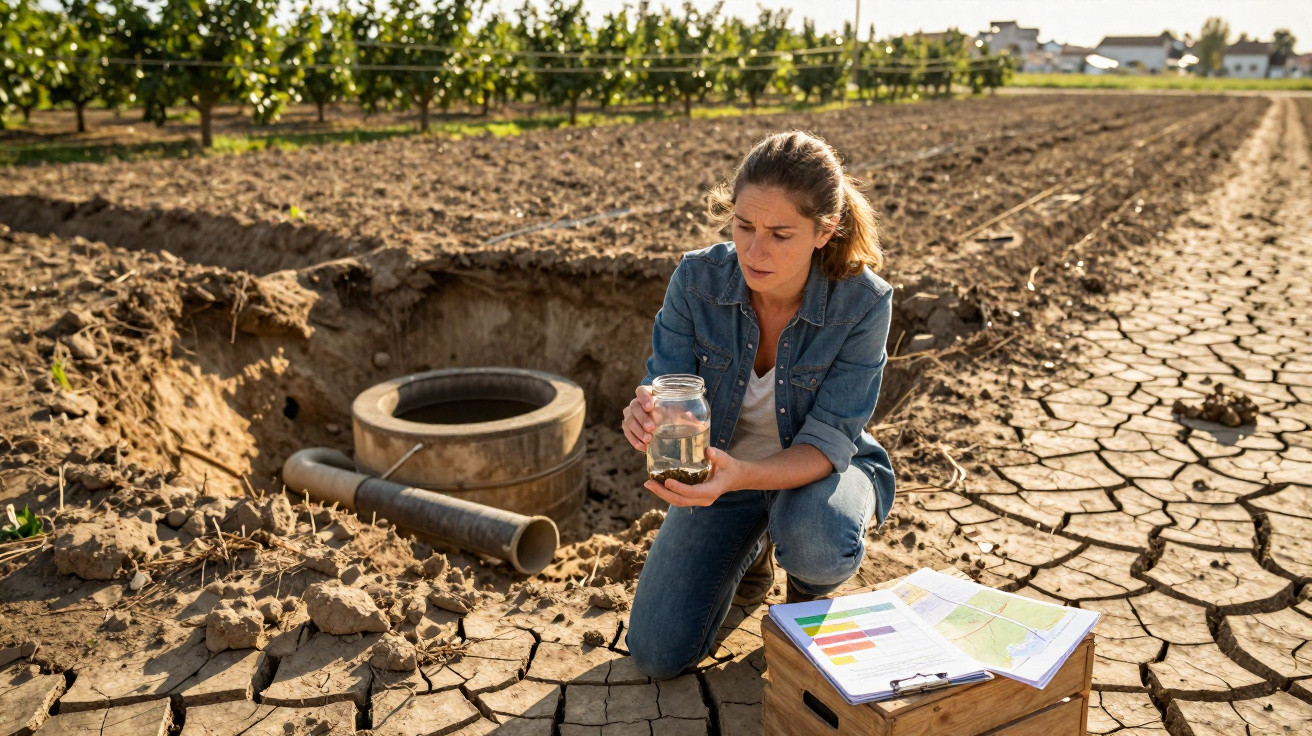
Scientists have reported that numerous water supplies no longer rebound after droughts or intensive pumping, even once rainfall resumes.
This altered baseline means governments must prepare for lasting losses rather than short-lived shortages, as water pressures affect food systems and urban areas.
When water fails to recover
Lasting harm has converted what were once temporary shortages into water bankruptcy: sustained overuse that prevents water systems from recovering.
Research by the United Nations University Institute for Water, Environment and Health (UNU-INWEH) mapped the places where water systems have lost their former capacity to recover.
Dr Kaveh Madani, Director of UNU-INWEH, said that decades of over-abstraction, pollution and changes to land use have driven more basins beyond repair.
While not all basins have reached this point, an increasing number face losses that planning can no longer undo.
What water bankruptcy means
A term is useful only if it clearly separates a severe constraint from a problem that can still be improved.
A formal paper defined bankruptcy through prolonged overuse and harm that cannot be reversed at a reasonable cost.
The definition centred on water balance, as withdrawals that consistently exceed replenishment gradually remove the safeguards that once protected communities.
Describing a basin as bankrupt shifts the response, because building additional dams or drilling deeper wells may instead worsen the shortfall.
Using up natural reserves
Water bankruptcy starts when communities deplete natural capital: ecosystems that retain and purify water over time.
Intensive pumping can drain aquifers - underground layers of rock and sand that contain groundwater - more quickly than rainfall and snowmelt can replenish them.
Degraded soils and lost wetlands then hold less water, meaning the following dry period arrives earlier and persists for longer.
When nature’s stored reserves have disappeared, restoring them will often cost more than many communities can pay.
Farms at the centre
Recent reporting has illustrated how declining supplies can leave farmers caught between growing demand and worsening water security.
Irrigation takes water from rivers and wells, while repeated over-abstraction leaves less moisture for the following growing season.
“Millions of farmers are trying to grow more food from shrinking, polluted, or disappearing water sources,” said Dr. Madani.
Unless crops and irrigation practices change, food output may decline as rural employment disappears, increasing demand for migration and assistance.
When the ground begins to sink
The loss of groundwater can harm the land itself, particularly where farms and cities extract water from soft sediments.
When pores collapse, compressed layers can retain less water, while the land above them may subside and fracture.
Land subsidence can rupture pipes, cause buildings to lean and allow saltwater to move inland across low-lying deltas and coastal plains.
This damage creates enduring costs: water supplies may recover, but the land can remain permanently lower.
Water scarcity with global effects
Food trade connects droughts in one place with dinner tables elsewhere, as major crops cross borders every day.
If irrigated areas lose dependable water, exporters send out less grain and prices increase for consumers who have not experienced the drought.
One worldwide analysis found that four billion people experienced severe water scarcity for at least one month annually.
This level of exposure means that local failure can produce wider instability, including in places where reservoirs and household taps continue to function.
Moving from crisis to accounting
Managing bankruptcy begins by assessing what a basin can safely supply, then bringing withdrawals into line with that reduced limit.
Decision-makers can apply water accounting - a simple ledger recording inflows and withdrawals - to identify deficits before they become permanent.
Legally enforceable caps, improved monitoring and pollution controls can prevent emergency measures from exhausting what reserves remain.
Such constraints can provoke political disputes, making clear objectives and consistent enforcement necessary in both wet and dry years.
Limits that protect people
Strict limits affect those with the least influence most severely, including Indigenous communities, women and low-income urban neighbourhoods.
A just plan mitigates the impact through safety nets, employment support and compensation when authorities revise rights and expectations.
WHO monitoring estimated that 2.2 billion lacked safe drinking water at home, and 3.5 billion lacked safe sanitation in 2022.
“Water bankruptcy is becoming a driver of fragility, displacement, and conflict,” said UN Under-Secretary-General Tshilidzi Marwala.
Water as a shared opportunity
Because water crosses national borders and political divisions, leaders can treat it as a practical basis for cooperation.
Shared information, collaborative planning and transparent limits can foster trust, since all partners can see the same figures and risks.
Prompt action can still avert further irreversible losses, even as communities adjust to living within narrower water limits.
Planning after water bankruptcy
A bankrupt water system cannot guarantee the supply available yesterday, so planning must focus on limits, damage that can be repaired and fairness.
Governments that regard water as shared infrastructure rather than a free resource can reduce risks while safeguarding ecosystems and livelihoods.
Photo: UNICEF/UN0607653/Rich






Comments
No comments yet. Be the first to comment!
Leave a Comment