
Biosolids and the PFAS problem
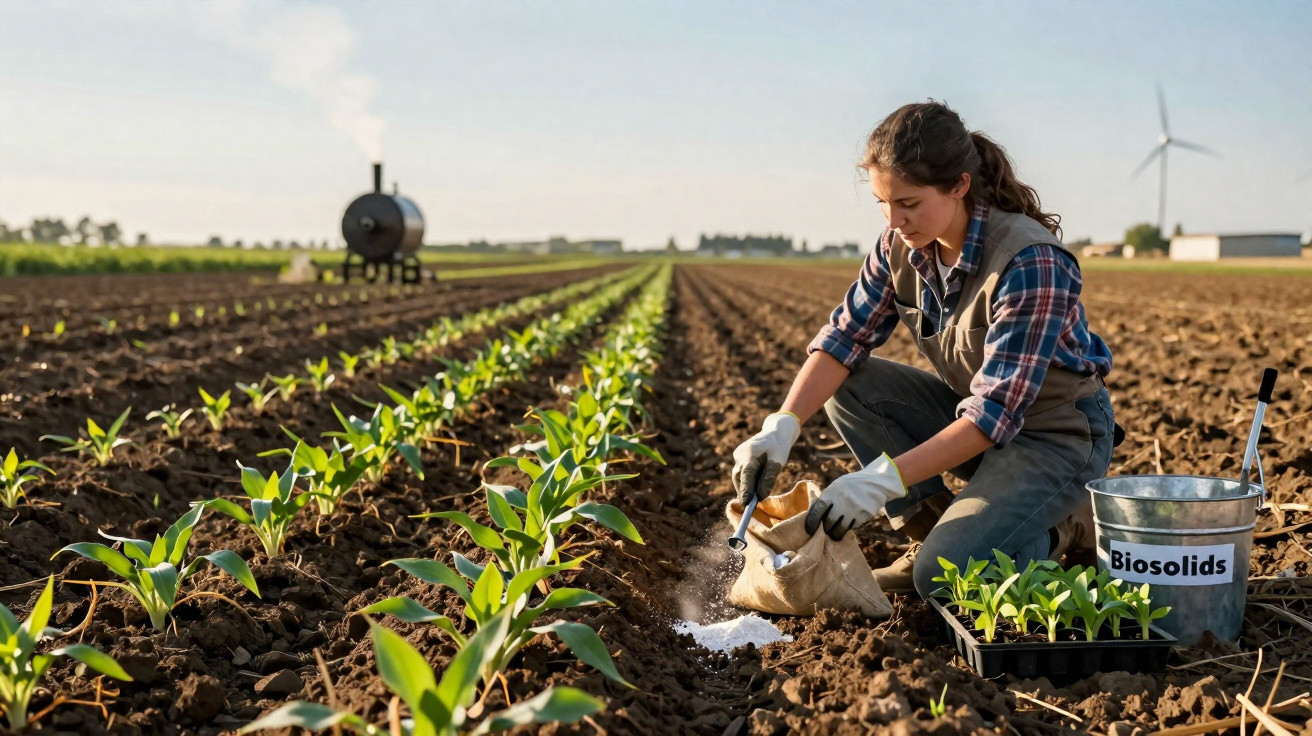
Each year, millions of dry metric tonnes of biosolids – the nutrient-dense material remaining after municipal wastewater treatment, also called sludge – are spread across US land.
It is an impressive example of recycling nutrients and can provide a useful source of fertiliser. For years, biosolids have been promoted to growers as a natural replacement for fertilisers made from petrochemicals.
However, the practice is creating a serious problem because a large proportion of this sludge contains PFAS.
Scientists are, fortunately, seeking solutions.
"This issue – the contamination of agricultural land with PFAS – disproportionately hurts small farmers and organic farmers, who used fertilizers with PFAS before the full extent of the problem was known," says Yale University environmental scientist Jake Thompson.
Thompson and his co-authors have now outlined a detailed clean-up approach in the journal PNAS. Their proposal could cut PFAS burdens for a small fraction of the cost of current options.
A US Environmental Protection Agency (EPA) National Sewage Sludge Survey from 2001 calculated that the biosolids produced annually in the United States contain between 2,749 and 3,450 kilograms of PFAS, commonly referred to as ‘forever chemicals’. Roughly half of those biosolids are applied to farmland.
As their nickname indicates, forever chemicals do not break down easily. The carbon-fluorine bond forming the backbone of these compounds is exceptionally robust, so PFAS are expected to remain in the environment for thousands of years.
Once spread on land, PFAS can remain in the soil and accumulate as further biosolids are added. They may also run into waterways crossing the land, or be taken up by crops, allowing them to continue circulating through the food chain.
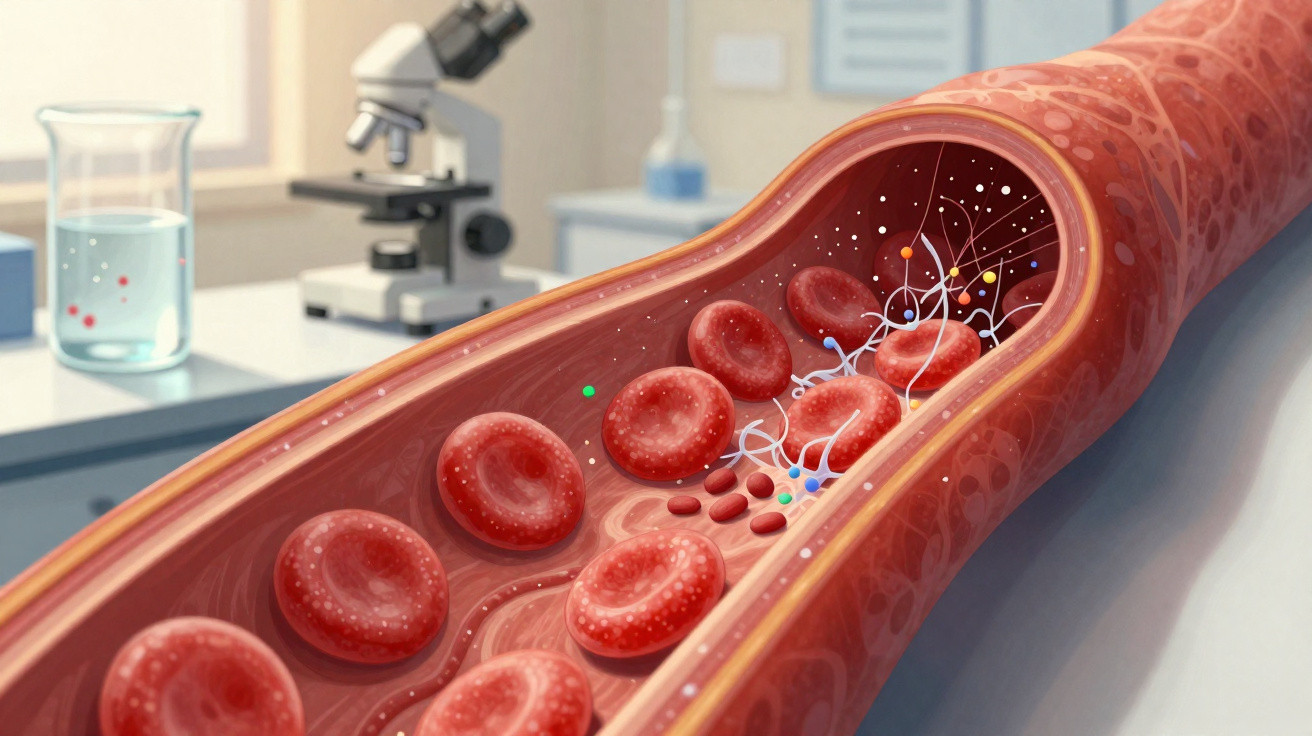
This is troubling because evidence increasingly indicates that PFAS exposure may harm living organisms.
Laboratory and animal research has pointed to a potential involvement of PFAS in cancer, along with pregnancy and reproductive problems.
Research involving human populations has associated PFAS with some cancers, cardiovascular risk, multiple sclerosis and fertility problems.
Many of these findings remain preliminary, and the apparent relationships are still under investigation.
Even so, PFAS do not appear to be substances we would want building up in land used to produce food.
"Though this study is US-focused, based on the available data, PFAS are a challenge globally," Thompson says.
A lower-cost route to PFAS soil remediation
Addressing the contamination will not be straightforward. Using existing methods to remove PFAS from US farmland would cost about $800,000 to $1.6 million per hectare, for an estimated nationwide bill of $8 trillion US.
By comparison, the newly proposed technique would cost around $29,000 per hectare when repeated for as long as 20 years to achieve remediation.
The researchers say it could also benefit soil health. Existing approaches require soil to be excavated and ‘burned’, stripping away topsoil and generating substantial carbon dioxide emissions.
So what would the alternative involve?
The process begins by applying crushed alkaline rock to contaminated fields. Thompson’s team modelled the use of basalt, although limestone could also be used.
"The application of alkaline rock amendments to soil (or enhanced weathering) elevates soil pH to a target pH of 7, leading to an increase in mobility and bioavailability of key PFAS such as perfluorooctane sulfonate (PFOS) and perfluorooctanoic acid (PFOA)," the authors explain in their published paper.
Using plants and biochar to manage PFAS
Plants that are known to accumulate PFOS rapidly, including hemp and perennial grasses, would then be cultivated in the polluted soil. After harvesting, they would be pyrolysed – a heat treatment performed without oxygen – to produce biochar.
"Harvested biomass converted to biochar and reapplied to the field can also serve to immobilize residual PFAS, thereby reducing their transfer into forage crops," the team adds.
Important uncertainties remain about what happens to PFAS during pyrolysis. One recent study found that temperatures of at least 800 °C may be required to reduce PFAS concentrations adequately.
The carbon balance is also central to the method’s economics.
Pyrolysis at such high temperatures, as well as transporting biochar to other locations, produces greenhouse gas emissions. Enhanced weathering, meanwhile, removes emissions from the atmosphere. Thompson and colleagues therefore account for both sides of that balance.
Provided the procedure is followed precisely, the researchers estimate that implementing it across the United States could remove 10.5 million metric tonnes of carbon dioxide from the atmosphere every year.
"This is a real pathway to actually give farmers in this situation some agency over their land and leave the soil in better condition than it was before," Thompson says.
The study appeared in PNAS.
This article was fact-checked by Clare Watson and edited by Peter Dockrill. While we take pride in our process, we are only human. If you spot an error, please let us know.




Comments
No comments yet. Be the first to comment!
Leave a Comment