
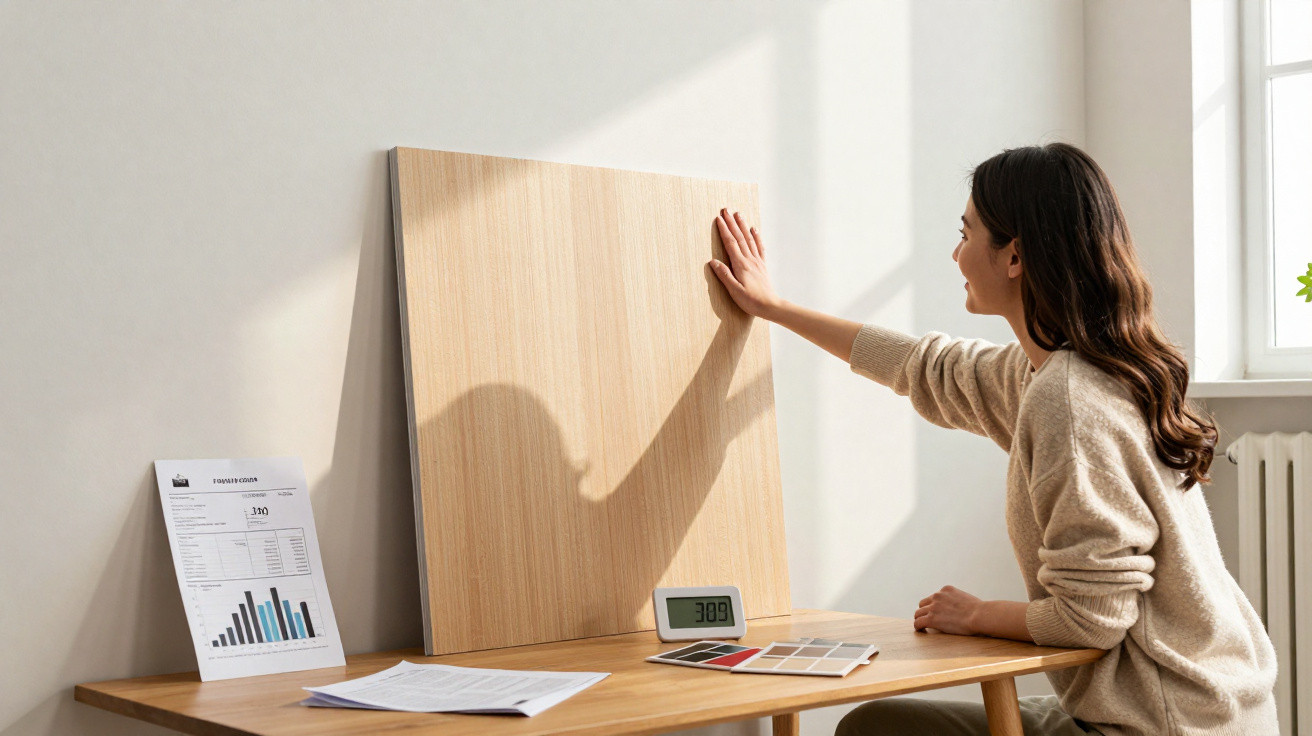
Sometimes the true source of the problem is concealed within the walls.
Millions of homes across the UK and US lose warmth through cold external walls, quietly adding to household energy costs. Although major insulation work can seem costly and intimidating, more households are choosing a faster, less obvious solution: slim decorative insulation panels fixed directly to existing walls.
Cold walls that silently increase heating costs
A wall that is cold when touched does not simply make a room unpleasant. From an energy perspective, it works like a huge radiator pointed towards the outdoors: it draws warmth from the room before gradually releasing it outside. The heating system then works harder to make up the difference, while energy use continues to rise.
This issue becomes more pronounced in winter, particularly on north-facing walls, shaded elevations and in older properties built with solid brick or stone walls. Rather than noticing a single strong draught, people tend to spot a collection of subtle warning signs.
- A noticeable chill when sitting or sleeping close to an external wall.
- Peeling wallpaper or paint in isolated areas where moisture is accumulating.
- Drops of condensation or patches of mildew around corners or at the foot of the wall.
With no clear air leak to identify, homeowners often point to the boiler, windows or thermostat instead. Yet the wall is seldom considered, despite directly contributing to higher energy consumption and fluctuating indoor temperatures.
Cold walls rarely feel like an “emergency”, yet they can raise heating consumption by several percent each winter without anyone really noticing.
Decorative insulation panels: the discreet solution
A low-key trend is growing in DIY shops and among online retailers: ready-to-install insulation panels made to adhere directly to existing walls. By pairing a slim insulating layer with a finished face, they serve as both thermal insulation and interior decoration.
Unlike complete internal wall-insulation systems, these panels do not need metal studwork, substantial plasterboard or weeks of upheaval. Their purpose is straightforward: to form a thermal break between a cold wall and the heated room while taking up as little floor area as possible.
What these panels look like in practice
Available products generally fall into two main categories, each designed for somewhat different requirements and budgets:
- Rigid insulation boards produced from materials including polyurethane foam, extruded polystyrene or wood fibre. These are often pre-finished with plywood, PVC or a plaster-style surface that can be painted.
- Decorative insulated panels designed to resemble brick, stone, timber cladding or rendered surfaces. They are intended to improve both comfort and appearance, refreshing an uninspiring wall while reducing heat loss.
Most options are approximately 5 mm to 3 cm thick. Because they add so little depth, they can improve insulation in small bedrooms, compact urban flats and narrow corridors without giving up precious room. This additional layer creates a thermal barrier, limiting heat transfer through the cold structure and helping the room feel warmer sooner.
A thin, well‑chosen insulation layer can make the wall temperature rise closer to the air temperature, which boosts comfort without touching the thermostat.
Installation without a major renovation
One of the key attractions of these panels is that fitting them does not necessarily require a professional tradesperson. With care and basic equipment, a competent DIYer can frequently complete the work in a weekend.
Most products use one of two fitting approaches:
- Adhesive fixing applied straight to the wall with a dedicated insulation adhesive or foam glue. This is appropriate for lightweight, thin panels and surfaces that are reasonably level.
- Mechanical fixing on battens, where timber battens or lightweight metal rails are secured to the wall and the panels are then screwed over them. This is generally more suitable for thicker boards or walls that are slightly uneven.
An inexperienced installer can usually cover a 10–15 m² wall in roughly a day, including preparation and tidying up. The process creates limited dust and noise, and it normally does not mean emptying the whole room or moving every item of furniture. For families, this can make it possible to treat a cold bedroom wall without disrupting the entire home.
Some demountable options are also aimed at tenants. Certain panels attach to a simple frame or rail that can be removed at the end of a tenancy with limited harm to the original wall. Although the tenant pays the initial cost, reduced heating bills and a more comfortable home in winter may recover part of that expense.
How much improvement can decorative insulation panels provide?
Slim panels will not turn a draughty property into a highly efficient eco-home. They are not an alternative to full cavity-wall insulation or external wall cladding. However, in many older or inadequately insulated homes, their effect can be clearly noticeable, particularly when one or two walls account for most of the discomfort.
- An increase of approximately 2 to 3°C in perceived temperature close to the treated wall, because the surface becomes warmer.
- A fall of around 5 to 10% in heating use for the room when its principal cold wall is insulated.
- A local decrease in condensation risk, helping to restrict mould growth and damage to decorative finishes.
Costs differ considerably according to brand, material and decorative surface. Across Europe, indicative prices range from roughly 15 to 60 euros per square metre, while comparable North American products occupy a similar dollar price range. Brick-look panels and high-end textured finishes usually cost more than plain boards prepared for painting.
Targeting one particularly cold wall can shift the entire feel of a room, improving comfort for people seated nearby and taking pressure off the heating system.
Where they are most useful
Energy specialists commonly advise addressing “problem walls” instead of insulating every wall at random. High-impact locations often include:
- North-facing lounge walls behind sofas or dining tables.
- Bedroom walls behind the bedhead, where people experience a draught-free chill at night.
- Cellar or partly below-ground walls, where condensation and mould are common.
- End-terrace or gable walls exposed directly to wind and rain.
Pairing this targeted work with straightforward measures, such as sealing gaps around sockets, improving window seals or hanging heavy curtains, can increase the benefits without requiring substantial spending.
Decorative panels compared with other insulation options
For households weighing up several improvements, the following table provides a broad comparison of internal wall solutions widely available in UK and US markets.
| Solution | Typical thickness | Disruption level | Best use case |
|---|---|---|---|
| Decorative insulation panels | 5–30 mm | Low | Treating a specific cold wall; renters; quick comfort upgrade |
| Full internal stud wall with insulation | 80–150 mm | High | Major renovation, deep retrofit, full-room upgrade |
| External wall insulation system | 80–200 mm | High (outside) | Façade renovation, long-term energy plan, whole-building treatment |
| Thermal lining paper or thin foam roll | 3–10 mm | Low | Very tight budgets, minor comfort boost, aesthetic refresh |
Decorative panels occupy the middle ground: they are less extensive than a complete refurbishment but are often more robust and effective than ordinary thermal lining paper. They are particularly suitable when homeowners want a noticeable comfort gain without losing 10 cm of room width.
Checks to make before covering a wall
Before attaching new material to a cold wall, several checks can prevent later problems. A wall already affected by black mould, crumbling plaster or obvious damp marks may have an underlying structural moisture issue. Insulation by itself will not deal with that cause.
- Look for rising damp and leaks from plumbing, roofs or gutters.
- Examine the outside for damaged render, missing mortar pointing or obstructed air bricks.
- Measure indoor humidity where the home regularly feels stale or has a musty odour.
When moisture stems from household habits, including drying laundry indoors or inadequate ventilation, decorative panels may reduce surface condensation. However, they should be combined with improved airing and, where feasible, mechanical ventilation in kitchens and bathrooms.
Estimating likely savings and comfort improvements
A simple estimate can help with the decision. Consider a household paying $1,500 annually for heating. If insulating one important wall reduces demand in that room by 5–10% and the room represents one quarter of total heating use, the overall household bill could fall by 3–5%. This equates to about $45–$75 a year. Under those circumstances, a $400 wall upgrade could repay its cost within a few winters, while making the room more comfortable to use.
Non-financial benefits can be equally important: less condensation on nursery walls, fewer concerns about mould near wardrobes, or being able to sit by a window without needing blankets. Such everyday quality-of-life improvements account for much of the appeal of these systems.
Combining surfaces, habits and smart controls
Thin wall panels can form part of a wider set of measures for managing increasing energy prices. Used alongside smart thermostats and zoned heating, they can help rooms warm up faster and lessen the urge to run the boiler at higher temperatures for longer periods.
Some homeowners try “micro‑retrofits”: improving one or two carefully chosen walls, placing a reflective panel behind radiators and repositioning furniture so it does not obstruct heat sources. Over time, these combined adjustments can alter a home's energy use without one major renovation project.
For households unable to pay for deep energy retrofits, or tenants in older properties where extensive work is not possible, decorative insulation panels provide a practical middle option: they can prevent walls from quietly drawing away heat while giving worn rooms a fresh visual finish.






Comments
No comments yet. Be the first to comment!
Leave a Comment