
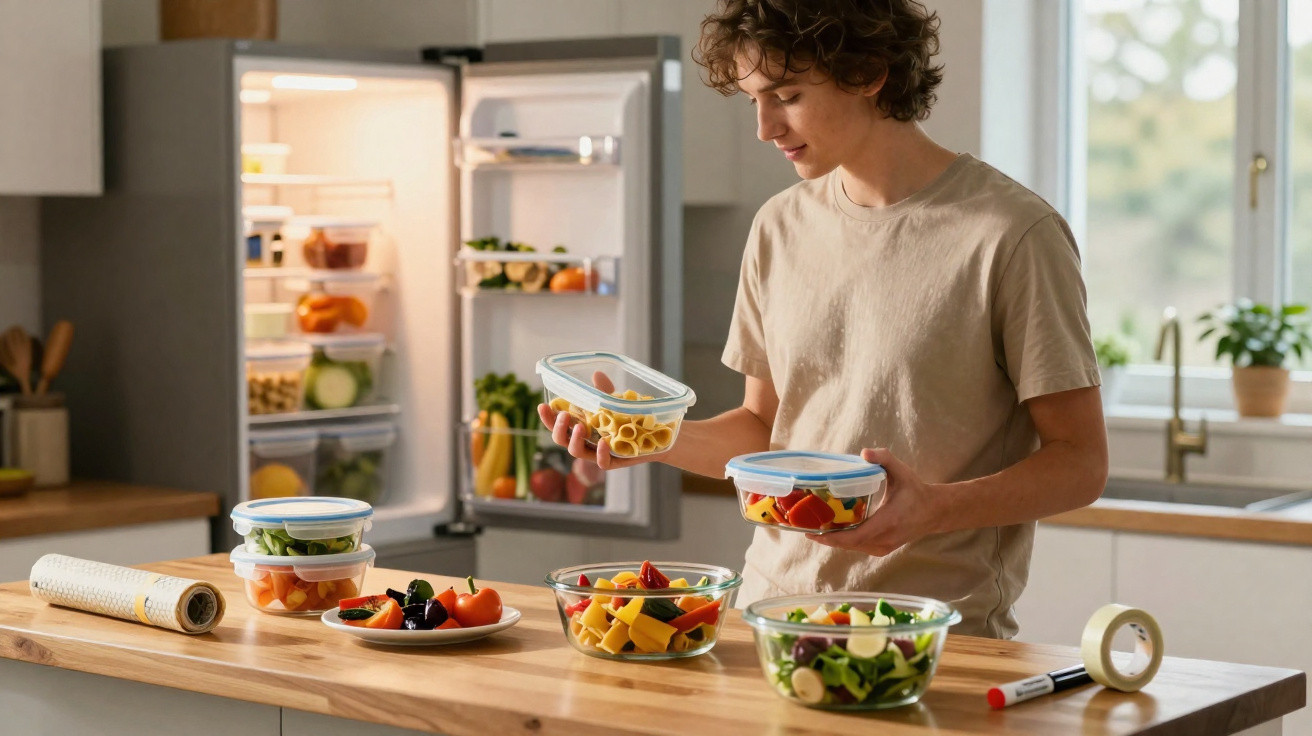
It is 10 pm, the kitchen is nearly tidy and there is a generous serving of gratin, the last of a soup and two spoonfuls of rice left over. Standing by the cupboard, the familiar question returns: should you reach for the lightweight, handy plastic container, already a little scratched, or the glass jar, which feels more reassuring but takes up so much room in the fridge? We all know the moment when we simply want to avoid throwing food away, without making leftover storage a puzzle. The right container can genuinely affect the flavour of tomorrow’s lunch.
Glass feels reassuring, plastic is practical: it depends above all on the dish
Glass jars have a clean, dependable appeal when you open the fridge: you can immediately see what is inside, tomato sauce does not leave marks and the smell of curry does not linger through the next three meals. As glass is non-porous, it also reduces the transfer of flavours and odours between foods. For soup, compote, vinaigrette or pickled vegetables, it is often the most dependable option.
In many homes, old jam jars make excellent containers for reuse. A family of four can easily save several dozen disposable containers in a month by using them for sauces, leftover vegetables or portions of chopped fruit. It may seem like a small detail, until the day you open the cupboard and there is no longer a mountain of stray lids. And, honestly, a transparent jar prevents plenty of culinary mysteries.
Plastic containers nevertheless have a clear advantage: they are light, unbreakable and easy to slip into a work bag or a child’s school bag. Good-quality airtight versions are especially useful for carrying a salad, cold rice or a homemade sandwich without fearing a disaster inside the bag. The decision is therefore not simply between two materials: it depends on the temperature, the storage time and what you intend to do with the dish afterwards.
Simple habits that genuinely extend the life of leftovers
To keep a dish for longer, first allow it to cool slightly, but do not leave it sitting on the table for hours. The aim is to divide it into a clean container, then put it in the fridge promptly once the heavy steam has subsided. A jar or container that is too large leaves plenty of air around the food, which can speed up spoilage. Selecting a suitable size and filling it without packing it down makes a very real difference.
A common mistake is putting a dish back in the fridge after it has been left out for a long time during the meal. It happens to everyone: you chat, clear away, answer a message, and the saucepan is still there two hours later. Let us be honest: nobody gets this completely right every day. With delicate preparations, such as fish, cooked meat, or dishes containing eggs or cream, it is better not to take chances with time.
Plastic is suitable when it is designed for food use, remains in good condition and is suitable for refrigeration or microwave use, according to the manufacturer’s instructions. A scratched, warped container or one that retains a strong smell should be replaced, particularly when used for fatty, very hot dishes.
“The best container is the one that protects the food without making you forget the date you cooked it.”
- Choose glass for acidic, hot or strongly scented foods.
- Keep sturdy plastic for packed meals and cold foods.
- Put a date on the lid: this simple habit prevents waste.
The best container is often the one you will actually use
Glass scores highly for storing saucy dishes, reheating in the oven - provided the jar or dish is oven-safe - and making food easy to see. Plastic remains valuable when portions need stacking, lunch needs carrying or you want to avoid adding weight to an already heavy bag. The most useful approach is to keep both: a few jars for sensitive leftovers and several reliable containers for hurried everyday life. An organised kitchen does not need to be perfect; it only needs to suit your routine.
Consider the shape of containers before buying them, too. Wide-necked jars are easier to wash and better suited to a serving of soup or chilli, while rectangular containers use fridge space more efficiently. Airtight lids matter just as much as the material: even a good glass jar will not maintain freshness if it is poorly sealed, nor will a plastic container without an effective seal. A label, meanwhile, brings surprising peace of mind towards the end of the week.
Ultimately, choosing between plastic and glass also means looking at your own habits without judging yourself. If you prepare meals on Sundays, stackable containers will make life easier; if you regularly cook sauces, soups or highly aromatic dishes, glass will quickly become essential. Leftovers are not second-rate food: they reflect a shared meal, a successful recipe, sometimes an evening that ran too late. Storing them properly gives them a genuine second chance - and gives you a ready-made lunch when the day becomes hectic.
| Key point | Detail | Added value for the reader |
|---|---|---|
| Favour glass for hot food | Glass withstands odours, stains and acidic dishes more effectively. | Better-preserved flavours and a durable container. |
| Keep plastic for practical uses | An undamaged food container is well suited to transport and cold foods. | Easy meals to take away without weighing down your bag. |
| Label leftovers | Writing the preparation date on the lid takes only a few seconds. | Less uncertainty and less food waste. |





Comments
No comments yet. Be the first to comment!
Leave a Comment