
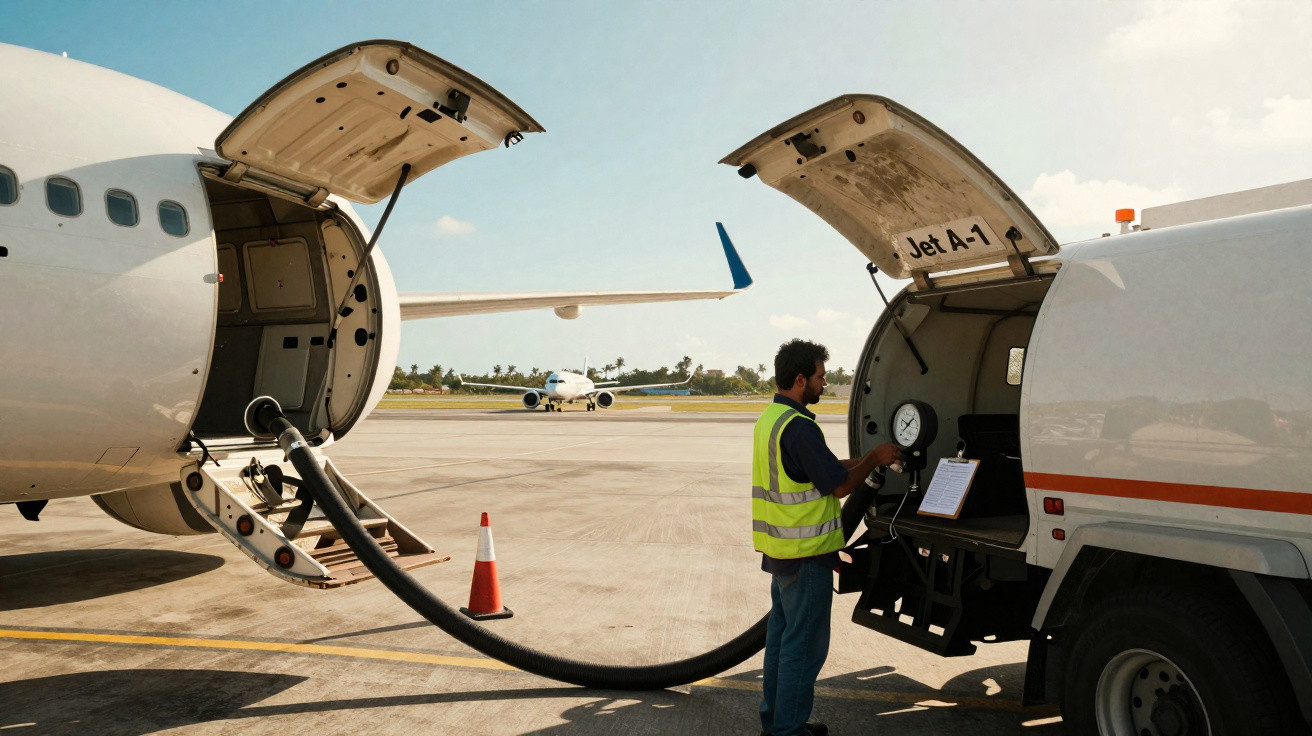
Cuba is facing a critical situation. With no kerosene available, the country will be unable to refuel international aircraft at its airports for several weeks. This will seriously disrupt air traffic and further weaken an economy that is already under severe strain.
Cuba faces an escalating energy crisis
For the past month, Havana has been bearing the full force of a dramatic tightening in US policy. Following the capture of Nicolás Maduro, Venezuela’s president and a longstanding ally of the Cuban regime, Donald Trump has stepped up his threats against Cuba.
According to the White House, it represents “an unusual and extraordinary threat”. It cites “illegal migration and violence”, as well as Cuba’s close ties with China, Russia and Iran. Cuban authorities have firmly rejected these allegations, condemning what they describe as a policy of economic blackmail.
The US president has notably threatened to use tariffs: any country supplying Cuba with oil, either directly or indirectly, risks facing trade sanctions. This is a formidable form of pressure on an island that relies heavily on energy imports and was long supplied by Venezuela. Cut off from this essential source, Cuba is seeing its reserves diminish rapidly.
Air traffic directly affected
The immediate consequence is that Cuba no longer has Jet A-1 fuel, the standard fuel for jet aircraft, for international flights. Aviation authorities have therefore warned that, until mid-March, foreign airlines will be unable to refuel at the country’s main airports.
In practical terms, aircraft will need to arrive carrying enough fuel for their return journey, or plan technical stopovers elsewhere in the Caribbean, particularly in the Dominican Republic or Mexico.
The consequences for airlines are substantial, bringing extra costs and disrupted schedules. Despite the crisis, Cuba remains a major tourist destination. American, Canadian and European carriers still operate extensively to the island, particularly during the peak season. Every disrupted flight means an immediate loss of revenue for a country that depends heavily on the foreign currency brought in by visitors.
Cuba’s economic situation deteriorates sharply
Beyond aviation, conditions within the country are worsening quickly. The government has even announced several emergency measures: reduced public transport, the temporary closure of certain hotels, shorter working weeks in state-owned companies, and university courses partly delivered online. The already fragile electricity network is experiencing repeated outages.
Cuba says it remains open to dialogue with Washington, while refusing any challenge to its political system. As it waits for a possible de-escalation, the island is doing its best to adapt. At its airports, aircraft continue to land before departing to refuel elsewhere.
Comments
No comments yet. Be the first to comment!
Leave a Comment